Introduction
Most people care about the planet. Fewer feel sure about what to actually do. Headlines about melting glaciers and plastic-choked oceans can leave you feeling that nothing you do in your own home could possibly matter. But the truth is more hopeful. Millions of small choices, repeated daily, shape how much energy gets burned, how much water gets pumped and how much rubbish gets buried.
Sustainable living doesn’t mean moving to a cabin in the woods or giving up everything you enjoy. It simply means paying attention to the impact of your habits and swapping the wasteful ones for better ones, where you can. Nobody does it perfectly, and that’s fine. Progress counts more than perfection.
Here are thirty practical ideas, grouped by area of life. Pick a few that suit you, start there, and add more when they feel natural.
Energy at Home
1. Switch to LED bulbs. They use a fraction of the electricity of old incandescent bulbs and last many times longer. It’s one of the cheapest upgrades you can make, and it pays for itself surprisingly quickly.
2. Unplug what you aren’t using. Chargers, game consoles and televisions keep drawing small amounts of power even when switched off. A power strip with a switch makes it easy to cut them all at once.
3. Manage your heating and cooling. Heating and cooling take up a big share of home energy. Set the thermostat a degree or two closer to the outdoor temperature, use fans where possible, and close curtains against summer sun.
4. Seal the gaps. Drafty windows, doors and poorly insulated roofs let your expensive warmed or cooled air escape. Weatherstripping and extra insulation are simple fixes that make a home more comfortable and cheaper to run.
5. Choose efficient appliances. When something needs replacing, look at the energy rating. A more efficient fridge, washing machine or air conditioner costs more at first but saves money and emissions over its lifetime.
6. Consider renewable power. If you can, install solar panels or choose a green electricity plan from your supplier. Even where that isn’t possible, renting a share in a community solar project is sometimes an option.
Saving Water
7. Fix leaks quickly. A dripping tap or a toilet that keeps running can waste many liters a day. Most repairs are quick and inexpensive, and you’ll notice the difference on your bill.
8. Keep showers short. Cutting a couple of minutes off your shower saves a surprising amount of hot water and the energy used to heat it. A low-flow showerhead helps without making the shower feel weaker.
9. Run full loads. Washing machines and dishwashers use about the same amount of water whether they’re half empty or full, so wait until you have a full load. Cold-water washing also saves energy.
10. Water the garden wisely. Water early in the morning or in the evening so less evaporates. Mulch keeps moisture in the soil, and native or drought-tolerant plants need far less watering than thirsty lawns. A rain barrel gives you free water for the garden.
Cutting Waste
11. Refuse what you don’t need. The easiest rubbish to deal with is the kind that never enters your home. Say no to freebies, flyers, extra packaging and plastic cutlery you’ll never use.
12. Carry a reusable bag and bottle. A sturdy tote and a refillable water bottle replace hundreds of disposable items over time. Keep them by the door or in your bag so you don’t forget.
13. Repair before replacing. Torn clothes, wobbly chairs and broken gadgets can often be fixed with a bit of effort or a visit to a local repair shop. Repairing keeps materials in use and saves money.
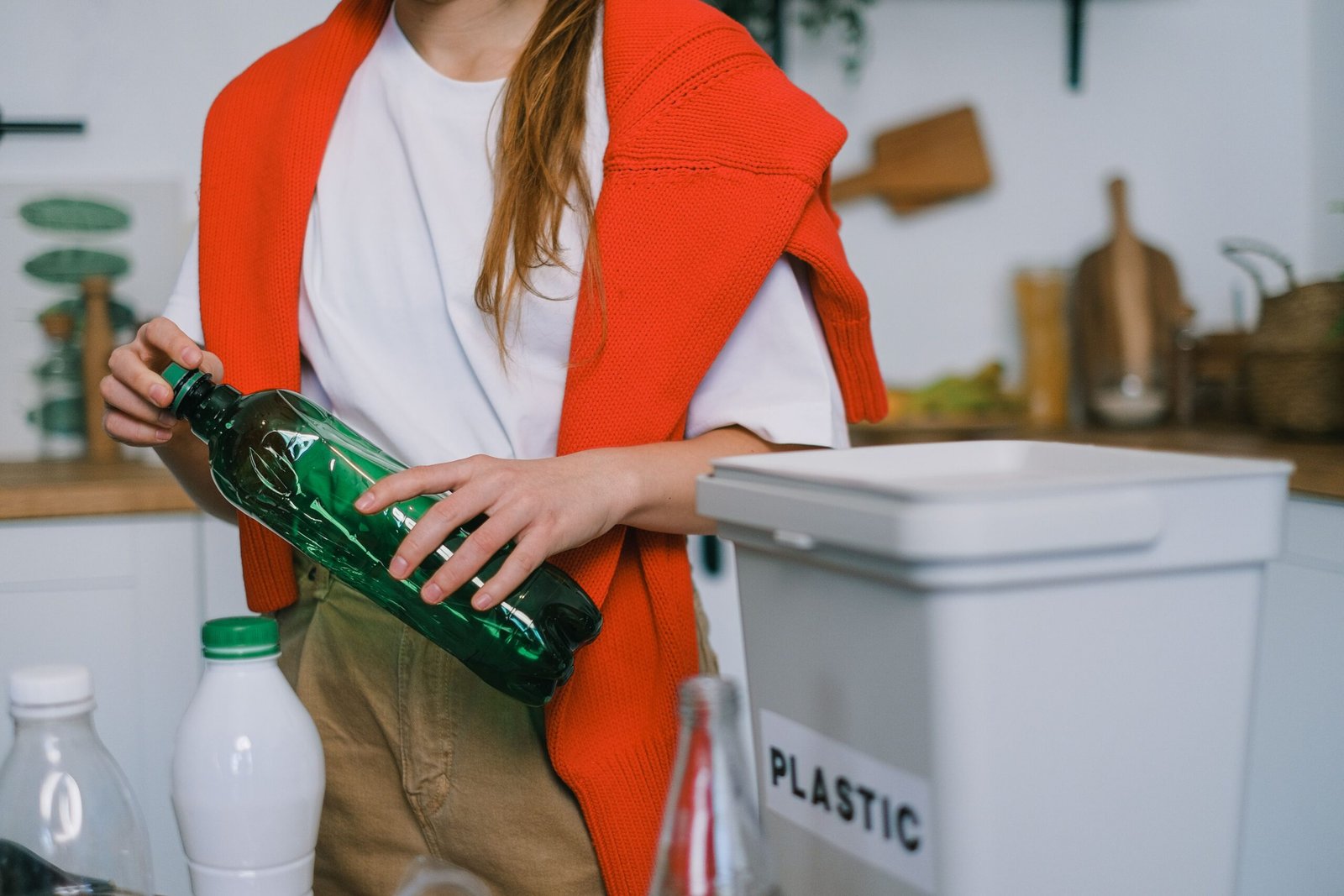
14. Recycle properly. Learn what your local scheme accepts, and rinse containers if required. Putting the wrong items in the bin can contaminate a whole batch, so it’s better to check than to guess.
15. Dispose of electronics responsibly. Old phones, batteries and appliances contain toxic metals as well as valuable ones. Take them to a certified recycling point or a store take-back program rather than throwing them in the trash.
16. Compost your scraps. Fruit and vegetable peels, coffee grounds and garden clippings can be turned into rich compost instead of rotting in a landfill, where they produce methane. Even a small worm bin on a balcony works.
Food Choices
17. Plan meals and shop with a list. Much of the food that gets thrown away is bought on impulse and forgotten. Planning your meals for the week and sticking to a list cuts waste and saves money.
18. Use your leftovers. Turn last night’s vegetables into soup, stale bread into croutons and overripe bananas into baking. Freezing portions helps, too. A bit of creativity goes a long way.
19. Eat more plants. You don’t have to become vegetarian to make a difference. Replacing some meat meals with beans, lentils, vegetables and grains lowers your food-related footprint, since meat, especially beef, takes a lot of land, water and energy to produce.
20. Buy local and seasonal when you can. Food grown nearby and in season often needs less storage, heating and transport. Farmers’ markets also let you ask how things were grown and support small producers.
21. Grow a little yourself. Herbs on a windowsill, tomatoes in a pot or a small vegetable patch connect you to your food. Even a modest harvest cuts packaging and makes you far less likely to waste what you’ve grown.
Getting Around
22. Walk or cycle for short trips. Many car journeys are only a few kilometers. Walking or riding a bicycle produces no emissions, keeps you fit and often takes about the same time in busy areas.
23. Use public transport. Buses, trains and trams move many people with far less fuel per person than individual cars. Even using them a couple of days a week makes a difference.
24. Share rides. Carpooling with colleagues or neighbors cuts fuel use and traffic. Splitting the cost makes it appealing for your wallet too.
25. Drive efficiently, or go electric. If you do need a car, keep tires properly inflated, avoid sudden acceleration and remove unnecessary weight. When it’s time to replace your vehicle, consider a hybrid or electric model, especially if your electricity comes from cleaner sources.
Shopping and Everyday Life
26. Buy less, buy better. The most sustainable product is often the one you don’t buy. Before making a purchase, ask whether you really need it. When you do, choose well-made items designed to last instead of cheap ones that fall apart.
27. Choose secondhand first. Thrift shops, online marketplaces and hand-me-downs give clothes, furniture and books a second life. Fast fashion is especially resource-hungry, so buying used is a simple way to opt out.
28. Look for trustworthy labels. Certifications for energy efficiency, sustainable forestry, fair trade and responsible farming can help you pick better products. Be a little skeptical of vague claims like “eco-friendly” that aren’t backed by anything specific.
29. Use greener cleaning and personal care products. Choose biodegradable cleaners, refillable containers and products without microplastics. Concentrates and solid bars cut down on plastic bottles and shipping weight.
30. Spread the word and get involved. Talk about what you’re doing without lecturing. Join a local clean-up, support organizations working on conservation, and vote for leaders who take environmental issues seriously. Collective action multiplies what any one person can achieve.
Making It Stick
A list of thirty ideas can feel like a lot, so don’t try to do everything at once. Choose three or four that fit your life right now. Swap the bulbs, bring a reusable bottle, plan next week’s meals. Once those become automatic, add another.
It also helps to focus on the changes with the largest impact. For most households, the big ones are how we heat and cool our homes, how we travel and what we eat. Small things like straws matter too, but they work best alongside the bigger shifts, not instead of them.
Plenty of these habits save money as well, which makes them easier to keep. Lower energy bills, less wasted food and fewer unnecessary purchases all leave more in your pocket. And try not to be hard on yourself when you slip up. Living sustainably is a long-term habit, not a test you can fail.
Conclusion
Protecting the environment can seem like a task for governments and large corporations, and they certainly have a major role to play. But the choices made in ordinary homes add up, and they also shape what businesses offer and what politicians think voters want.
Every item on this list is within reach of most people. None of them requires special skills or a big budget, and many make daily life simpler, healthier or cheaper. Start with the ones that feel easiest, enjoy the progress and invite others along.
The planet doesn’t need a handful of perfect environmentalists. It needs millions of ordinary people doing their best, a little more each year. That’s something all of us can be part of, starting today.
About the Author