Introduction
There’s a moment most of us know well. You open the fridge, find a bag of spinach that has turned to green slime, sigh, and drop it in the bin. It feels like a tiny, forgettable event. But that moment happens in kitchens, restaurants, supermarkets and farms all over the world, every single day, and added together it becomes one of the largest and least visible environmental problems we have.
Food is the one thing every person needs, and yet an enormous share of it never gets eaten. The land, water, fuel and labor that went into growing it are wasted along with it. Then, once it’s thrown away, it often becomes a pollution problem of its own.
The good news is that food waste is also one of the problems we can do the most about, starting at home. Wasting less is the first step. Composting what’s left is the second, turning scraps that would have rotted in a landfill into something that actually helps the soil. This essay explains how big the problem is, why it matters for the climate, and how composting turns waste into a resource.
The Scale of the Problem
The United Nations Environment Programme’s Food Waste Index estimated that the world wasted around 1.05 billion tonnes of food in 2022. That’s close to a fifth of all the food available to consumers, and it was happening while hundreds of millions of people went hungry. If you could put all that food on trucks, the line would circle the planet several times.
One detail surprises many people: most of it doesn’t come from farms or factories. Households were responsible for roughly 60 percent of the waste, with food service and retail making up the rest. Rich and poor countries waste surprisingly similar amounts per person at home, although the reasons differ. Wealthier households tend to throw away edible food because they bought too much or misunderstood date labels. In poorer regions, more food is lost earlier in the chain, because of poor storage, lack of refrigeration and weak transport.
There’s a distinction worth knowing here. Food loss usually refers to what’s lost between the field and the shop, through spoilage, pests, damage and inefficient harvesting. Food waste refers to what’s discarded at the retail, restaurant and household level. Both matter, but the fixes are different.
Why Wasted Food Hurts the Environment
The Resources Behind Every Meal
When you throw away a loaf of bread or a piece of chicken, you’re also throwing away everything it took to produce it. Farming uses roughly half of the world’s habitable land. It takes huge volumes of fresh water, plus fertilizer, fuel, packaging and refrigeration along the way. Producing food that nobody eats means all of those resources were used for nothing, and the land and water could have been left alone or used for something more useful.
Meat and dairy are especially costly in this sense. Wasting a kilogram of beef wastes far more land, water and energy than wasting a kilogram of vegetables. That doesn’t make vegetable waste harmless, but it shows why the type of food matters as much as the quantity.
Methane in Landfills
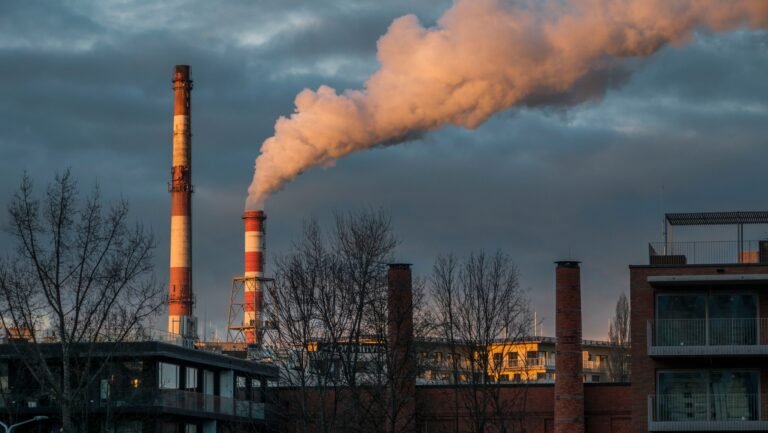
The second problem begins after the food is thrown out. In a landfill, waste gets buried under layers of other rubbish and squeezed together, which cuts off the oxygen. Food scraps then decompose without air, and that process produces methane, a greenhouse gas that traps far more heat than carbon dioxide over a period of twenty years.
Food waste is generally estimated to account for somewhere around 8 to 10 percent of global greenhouse gas emissions once you add up production, transport and decomposition. If it were a country, it would rank among the largest emitters in the world. Landfills are also a source of unpleasant smells and of liquid called leachate, which can seep into soil and groundwater if the site isn’t properly lined and managed.
The Moral Dimension
There’s also something uncomfortable about the contrast. Perfectly good food ends up in the trash in one part of town while people in the same city rely on food banks. Environmental arguments aside, most people feel instinctively that wasting food is wrong. That feeling is a useful starting point for change.
Prevention Comes First
Before we talk about composting, it’s important to say something that composting enthusiasts sometimes forget: the best food scrap is the one that never exists. Composting is a good way to handle waste, but it should come after we’ve done what we can to reduce it.
The standard way of thinking about this is the food recovery hierarchy. At the top is preventing waste in the first place. Next comes feeding people with surplus food, then feeding animals, then using the material for industrial purposes such as energy, then composting, and finally landfill or incineration at the bottom. Composting sits in the middle of the ladder, a strong choice when the food can no longer be eaten, but not a replacement for prevention.
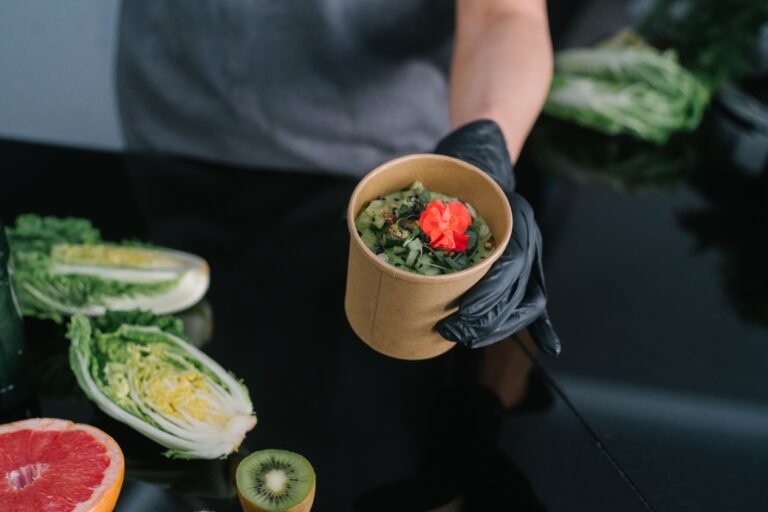
Prevention is often a matter of small habits. Planning meals for the week and writing a shopping list cuts down on impulse buying. Storing food properly, such as keeping herbs in a glass of water or putting older items at the front of the fridge, helps it last. Understanding date labels also helps, because “best before” usually points to quality rather than safety, while “use by” is a safety guide. Freezing leftovers, using vegetable ends for stock, and turning stale bread into croutons or breadcrumbs all stretch what you’ve already bought.
Businesses can help too. Supermarkets can donate unsold food, restaurants can adjust portion sizes, and farms can find buyers for produce that is perfectly tasty but not cosmetically perfect. Many of the best ideas are simple, and some save money as well.
What Is Composting?
Composting is the controlled breakdown of organic material into a dark, crumbly, earthy-smelling substance called compost. It’s really nothing more than helping nature do what it already does. In a forest, fallen leaves and dead plants are broken down by bacteria, fungi, worms and insects, and the nutrients return to the soil. Composting speeds up that cycle and puts it to use in a garden or farm.
The process depends on microorganisms, and like any living things, they need the right conditions. They need food, air, moisture and a comfortable temperature. When those are balanced, the microbes multiply quickly, and the pile can warm up to levels that help break down tougher material and reduce many pathogens and weed seeds.
The basic recipe is a mix of two types of ingredients. “Greens” are materials rich in nitrogen, such as fruit and vegetable scraps, coffee grounds and fresh grass clippings. “Browns” are rich in carbon, such as dry leaves, cardboard, straw and shredded paper. A rough guide is to use more browns than greens by volume, which keeps the pile from becoming soggy and smelly. Keep the heap about as damp as a wrung-out sponge, and turn it now and then to bring in air.
Most kitchen scraps can go in, although a few things need care. Meat, fish, dairy and oily foods can attract pests and cause odors in a backyard bin, so many home composters leave them out. Pet waste, diseased plants and anything treated with chemicals are also best avoided. Depending on the method and the weather, finished compost might be ready in a couple of months or take most of a year.
Different Ways to Compost
Not everyone has a garden, and one of the encouraging things about composting is how many forms it can take.
Backyard composting. The classic approach is a heap or bin in the garden. It’s cheap, simple and well suited to households that produce garden waste alongside kitchen scraps.
Vermicomposting. This method uses special composting worms, usually red wigglers, in a contained bin. It works well indoors or on a balcony, since it’s tidy and produces little smell when managed well. The worms turn scraps into nutrient-rich castings that plants love.
About the Author