Introduction
Every meal we eat is the end of a long chain that starts in a field, an orchard, a pond or a pasture. Most of the time we only see the last link: a plate, a shelf in the supermarket, a street stall. But behind each of those is soil, water, sunlight, labor and a farmer who made a string of decisions months earlier.
That chain is under strain. The world has to feed a growing population, and it has to do it while the climate is changing, soils are wearing out, water is getting scarcer and farmland is competing with cities and forests. Producing more food by simply doing more of the same is no longer a safe bet. The question is whether we can grow enough, in ways that don’t wreck the land and water future generations will need.
That is what sustainable agriculture tries to answer. This essay looks at what food security means, why conventional approaches are running into limits, what sustainable farming looks like in practice, and what it will take to make it work for everyone, from smallholders to big producers to the people who simply eat.
What Food Security Really Means
Food security sounds like a simple idea: having enough to eat. The definition used by the United Nations is a bit broader. People are food secure when they have reliable physical and economic access to enough safe, nutritious food to live an active and healthy life. That brings in four things at once: whether food is available, whether people can afford it and reach it, whether it’s nutritious and safe, and whether supply stays stable over time.
By that measure, the world still has a long way to go. Recent UN reports estimate that several hundred million people go hungry every year, and well over two billion struggle to eat healthy, nutritious diets on a regular basis. At the same time, many people suffer from the opposite problem, with diets heavy in calories but poor in nutrients. Hunger and malnutrition aren’t mainly caused by a lack of food on the planet as a whole. They’re driven by poverty, conflict, unequal access, price shocks and waste, as much as by how much gets harvested.
Still, supply does matter. Population is expected to keep rising for several more decades, and incomes in many countries are growing, which tends to increase demand for meat, dairy and processed foods. Meeting that demand, and doing it fairly, is the heart of the challenge.
The Limits of the Old Model
It would be unfair to dismiss modern agriculture. The Green Revolution of the mid-twentieth century, with its high-yielding crop varieties, fertilizers, irrigation and machinery, helped feed billions and prevented many famines. Yields of staple crops rose dramatically in many places, and that achievement deserves respect.
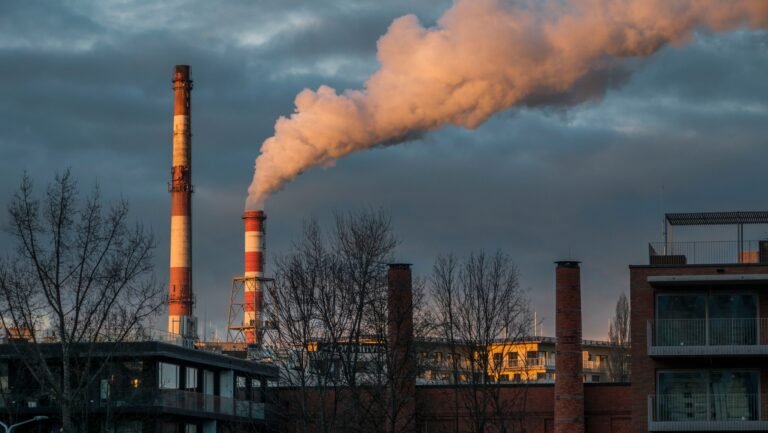
But it came with costs that are becoming harder to ignore. Heavy fertilizer use has polluted rivers and lakes, creating oxygen-poor dead zones in coastal waters. Pesticides have harmed pollinators and other wildlife, and in some places they’ve driven resistance in pests. Intensive irrigation has drained rivers and aquifers. Repeated plowing and monocropping have eroded and exhausted soils. Clearing forests and wetlands for farmland has destroyed habitats and released stored carbon.
Agriculture and the wider food system are also major contributors to climate change. Estimates commonly put food systems at around a third of global greenhouse gas emissions once you include farming, land clearing, transport, processing and waste. At the same time, farming is highly exposed to the effects of climate change, including heat waves, droughts, floods and shifting pest patterns. A system that both causes and suffers from the same problem can’t keep going in the same direction indefinitely.
And there’s a human side. Many farmers, especially smallholders, are caught between rising input costs and unstable prices. Seeds, fertilizer and fuel get more expensive, while what they earn for their crops barely moves. Sustainability, in other words, has to be economic as well as ecological. A practice that’s good for the soil but bankrupts the farmer won’t last.
What Sustainable Agriculture Looks Like
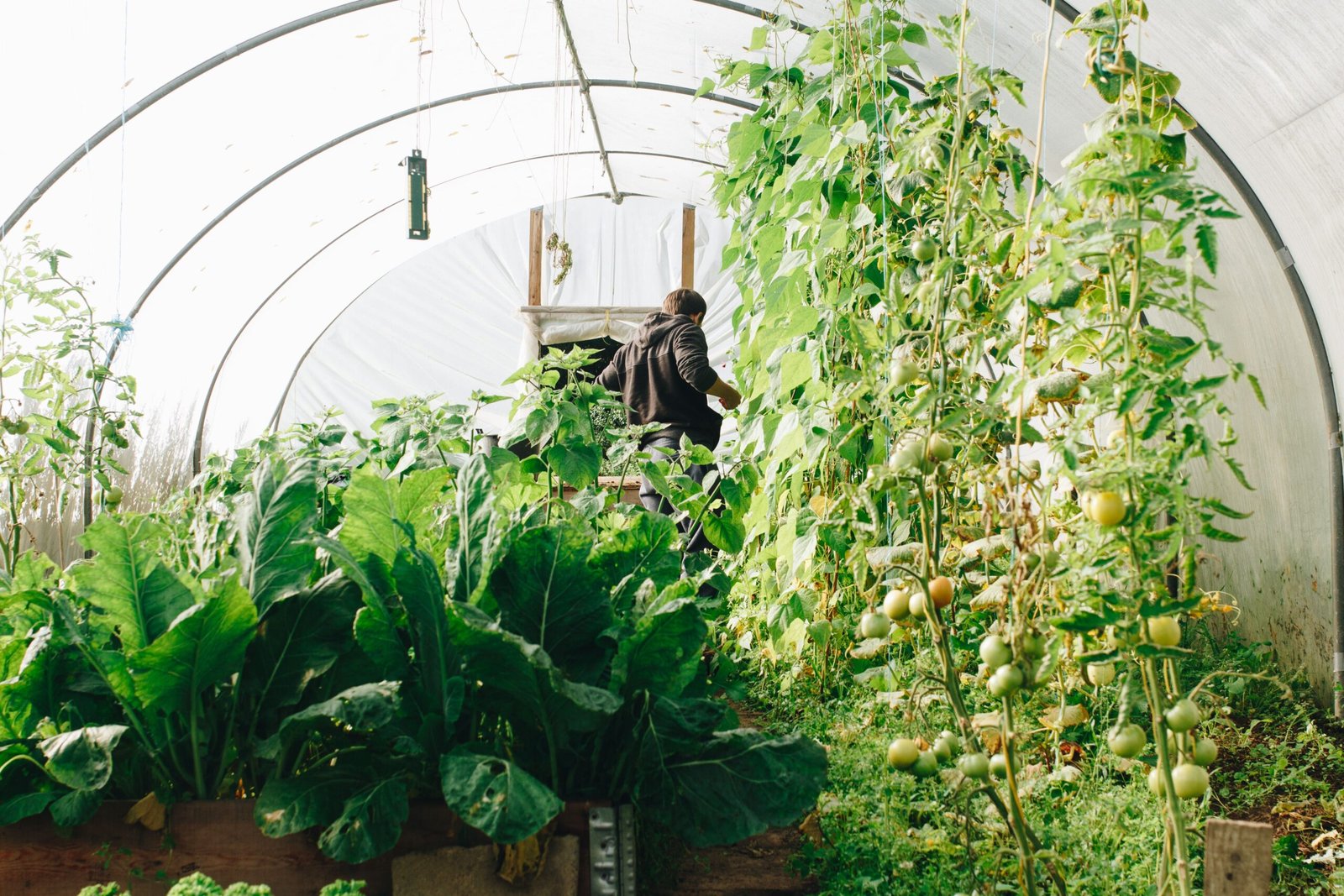
Sustainable agriculture isn’t a single technique or a rigid set of rules. It’s an approach built on a simple principle: farm in a way that meets today’s needs without undermining the resources that future harvests depend on. In practice, that means looking after soil, water, biodiversity, climate and the people involved, all at once.
Healthy Soil First
Everything starts with the ground. Farmers who practice conservation agriculture disturb the soil as little as possible, keep it covered with crops or residue, and rotate what they grow. Cover crops protect against erosion and feed the soil’s microbes. Adding compost and manure rebuilds organic matter, which improves fertility and helps soil hold water. Healthy soil needs fewer inputs, resists drought better and stores carbon, which makes it one of the most valuable assets on any farm.
Smarter Water Use
Since agriculture is the biggest user of fresh water, saving it on farms has an outsized effect. Drip and micro-irrigation deliver water straight to the roots. Mulching reduces evaporation, and collecting rainwater provides a buffer in dry spells. Choosing drought-tolerant crops and varieties suited to local conditions also helps. Even simple changes, such as scheduling irrigation by checking soil moisture rather than following a fixed routine, can cut waste significantly.
Diversity Instead of Monoculture
Farms that grow a variety of crops, or combine crops with trees and livestock, tend to be more resilient. If one crop fails, others may still succeed. Different plants use nutrients differently and attract different insects, which can reduce pest outbreaks. Agroforestry, intercropping and crop rotation are all ways of bringing diversity back into the field. Protecting the diversity of seeds and traditional crop varieties matters too, since some of them carry traits, like tolerance to heat or poor soils, that will be valuable as conditions change.
Working With Nature on Pests and Nutrients
Integrated pest management combines methods: monitoring fields closely, encouraging natural predators, rotating crops and using pesticides only when necessary and in a targeted way. Nitrogen-fixing plants such as beans and lentils can reduce the need for synthetic fertilizer. None of this means rejecting all modern inputs. It means using them carefully, in the right amounts and at the right time.
Integrating Livestock Wisely
Livestock can be part of a sustainable system when managed well. Rotational grazing, for example, moves animals between pastures so plants can recover, which can improve soil health and carbon storage. Manure becomes fertilizer instead of waste. On the other hand, large-scale, intensive livestock production brings heavy environmental costs, including methane emissions, land use and pollution. Finding the right balance, and reducing excessive meat consumption where it’s very high, is part of the conversation.
Technology and Innovation
Sustainable agriculture isn’t about going backward. Technology has a big role to play, and many of the most promising tools make farming more precise rather than more intensive.
Satellite imagery, drones and soil sensors let farmers see exactly where crops need water, nutrients or protection, so they can apply inputs only where required. Weather forecasting apps and early-warning systems help farmers time planting and harvest. Mobile phones now give even remote smallholders access to price information, advice and payment services. Improved crop varieties, developed through conventional breeding or newer methods, can offer higher yields with better resistance to drought, heat and disease. Better storage, cold chains and processing can also reduce the losses that happen between harvest and market.
Still, technology is a tool, not a cure-all. New equipment and software are often expensive, and the benefits may flow mostly to large, well-funded farms unless deliberate efforts are made to reach small producers. Innovation works best when it’s shaped by what farmers actually need, and when it’s combined with practical knowledge of local conditions.
The Human Side: Farmers and Communities
Around the world, small-scale farmers produce a large share of the food people eat, particularly in lower-income countries. Many of them are also among the poorest and hungriest people on Earth. Supporting them is both a moral priority and a practical one.
That means giving farmers access to training, fair credit, quality seeds, markets and secure land rights. It means recognizing the work of women, who make up a large part of the agricultural workforce but often have less access to land and resources. Farmer cooperatives can help producers negotiate better prices and share equipment. Young people also need reasons to stay in or enter farming, which depends on making it a viable and respected way to earn a living.
Traditional and Indigenous knowledge deserves a place at the table as well. Generations of farmers have developed methods suited to their own landscapes, from terraced hillsides to mixed planting systems. Combining that experience with modern science often produces better solutions than either alone.
Reducing Waste and Rethinking Diets
Growing more food is only one side of the equation. A substantial share of what’s produced never gets eaten, lost on farms, in storage and transport, in shops and in homes. Cutting that waste is among the most effective ways to improve food security, because it makes better use of the land, water and energy already invested.
What we choose to eat matters too. Diets that include more plant-based foods, seasonal produce and a wider range of crops generally put less pressure on land and water. This isn’t about telling everyone what to put on their plate. Cultures and circumstances differ, and in many places animal products provide vital nutrition. But in places where consumption is very high, shifting the balance can ease the strain on the environment and on health.
Policy, Markets and Cooperation
Farmers don’t make decisions in a vacuum. Subsidies, trade rules, prices and regulations all shape what gets planted and how. In many countries, public support still rewards high-volume production regardless of the environmental cost. Redirecting that support towards practices that protect soil, water and biodiversity, and rewarding farmers for the environmental benefits they provide, would help align incentives with long-term goals.
Investment in research, rural infrastructure such as roads, storage and irrigation, and agricultural advice services also pays off. So does preparing for shocks. Climate-related disasters, conflicts and pandemics have shown how fragile food supply chains can be, and building resilience, through diverse sources, local markets and emergency reserves, is a form of insurance.
Because food moves across borders, cooperation is essential. Open and fair trade can help balance surpluses and shortages, but it should be paired with support for countries that are vulnerable to price spikes and climate impacts.
What Individuals Can Do
It can feel as though food security belongs to governments and big agribusinesses, but consumers have more influence than they might imagine. Wasting less food, buying from local or sustainably minded producers where possible, eating a varied diet with plenty of plants, and supporting farmers’ markets or community-supported agriculture all send signals back up the chain. Growing even a few herbs or vegetables at home helps people understand how food is produced. And simply staying curious about where food comes from makes it easier to support better choices, at the shop and at the ballot box.
Conclusion
Feeding a growing world without damaging the planet is one of the defining challenges of this century. The old approach of pushing yields higher with ever more inputs delivered remarkable gains, but it’s now running into the limits of soil, water, climate and biodiversity. Doing more of the same won’t be enough.
Sustainable agriculture offers a way forward. It pairs healthy soil and efficient water use with diverse farms, smart technology and real support for the people who grow our food. It also depends on wasting less, eating thoughtfully and designing policies that reward long-term care of the land instead of short-term output.None of this is easy, and there are no quick fixes. But the building blocks already exist, and in countless fields around the world they’re working. The future of food security will depend on how widely we put them to use, and how fairly we share the benefits. Getting that right means every person, everywhere, can count on a meal tomorrow and for generations to come.
About the Author