Introduction
Think about the last time you walked into a house that felt just right. Maybe it was warm in winter without the heating roaring, cool in summer without the air conditioner groaning, and bright without a single lamp switched on. Chances are it wasn’t luck. Somebody, at some point, thought carefully about how that building would work.
Our homes are where most of us spend the biggest chunk of our lives, and they’re also big users of resources. Buildings account for roughly a third of global energy use and a large share of energy-related carbon emissions, once you count heating, cooling, lighting, appliances and the materials and construction behind them. That makes the home one of the most powerful places to make a difference.
The encouraging part is that an eco-friendly home isn’t a luxury reserved for people with huge budgets. It can be a brand-new building designed from scratch, or an ordinary older house improved one step at a time. This essay walks through what makes a home sustainable, from the way it’s designed to the energy it uses, the water it saves, the materials it’s made from and the habits of the people living inside.
What Makes a Home “Eco-Friendly”?
There’s no single definition, but most eco-friendly homes share a few common goals. They use less energy and water. They rely on cleaner sources of power. They’re built with materials that have a lower environmental cost. They create a healthy indoor environment. And they’re designed to last, because a durable building that stays in use for a century is far better than one that needs to be rebuilt in thirty years.
A helpful way to think about it is in order of priority. First, reduce how much energy and water the home needs in the first place. Second, make what you do use as efficient as possible. Third, supply what’s left from renewable sources. Skipping straight to solar panels on a leaky, poorly insulated house is like trying to fill a bucket with a hole in it. Fixing the hole comes first.
Start With Smart Design
The cheapest energy is the energy you never have to buy, and good design can supply a surprising amount of it. Passive design means shaping a building so it takes advantage of the sun, wind and shade for free. In cooler climates, large windows facing the sun let winter light and warmth flood in. In hot climates, shading, overhangs and smaller openings on the sunniest sides keep heat out.
Daylight is just as valuable. Well-placed windows, skylights and light-colored interior surfaces reduce the need for artificial lighting during the day, and they make rooms feel brighter and more pleasant.
Natural Ventilation
Before air conditioning, people knew how to cool their homes with airflow. Placing windows on opposite sides of a house lets breezes pass through. Tall ceilings and high openings let hot air rise and escape. Courtyards, verandas and shaded outdoor spaces, common in traditional homes in many hot regions, create comfortable microclimates. These old ideas are being rediscovered because they work, and they cost nothing to run.
Size and Layout
Bigger isn’t better when it comes to sustainability. A large house demands more materials to build and more energy to heat, cool and furnish. A compact, thoughtfully laid out home often feels roomier than a sprawling one, and it costs less to maintain. Flexible rooms that serve more than one purpose help you get more use from less space.
Insulation and the Building Envelope
If you could make only one upgrade to an existing house, good insulation would be a strong candidate. The building envelope, meaning the roof, walls, floors, windows and doors, is what separates indoors from outdoors. When it leaks, heat escapes in winter and sneaks in during summer, and your heating and cooling systems have to work overtime.
Insulating the roof or attic is usually the most effective place to begin, since a lot of heat is lost there. Wall and floor insulation come next. Sealing gaps around windows, doors and pipes stops drafts, which can waste a surprising amount of energy. Double or triple-glazed windows, or even good-quality window films and thick curtains, reduce heat transfer through glass.
The benefits go beyond energy bills. A well-insulated, well-sealed home is more comfortable, quieter and less prone to damp and mold. One thing to keep in mind is ventilation. A very airtight house still needs fresh air, so controlled ventilation, sometimes with heat recovery, keeps the air healthy without wasting heat.
Efficient Heating, Cooling and Appliances
Once a home holds its temperature well, the equipment that heats and cools it can be smaller and more efficient. Heat pumps are a standout technology here. They move heat rather than creating it, and they can provide both heating and cooling using much less electricity than traditional electric heaters. Programmable or smart thermostats prevent energy from being wasted when nobody is home.
Lighting is one of the easiest wins. LED bulbs use a small fraction of the energy of old incandescent ones and last for years. Appliances matter too. Look for strong energy ratings on refrigerators, washing machines and air conditioners, since these run for years and their electricity use adds up. In the kitchen, induction cooktops are efficient and heat quickly, while simple habits such as using lids and matching pot size to the burner save energy without any special equipment.
Water heating is another big user. Solar water heaters, heat pump water heaters, insulating hot water pipes and lowering the tank temperature slightly all reduce consumption.
Generating Clean Energy at Home
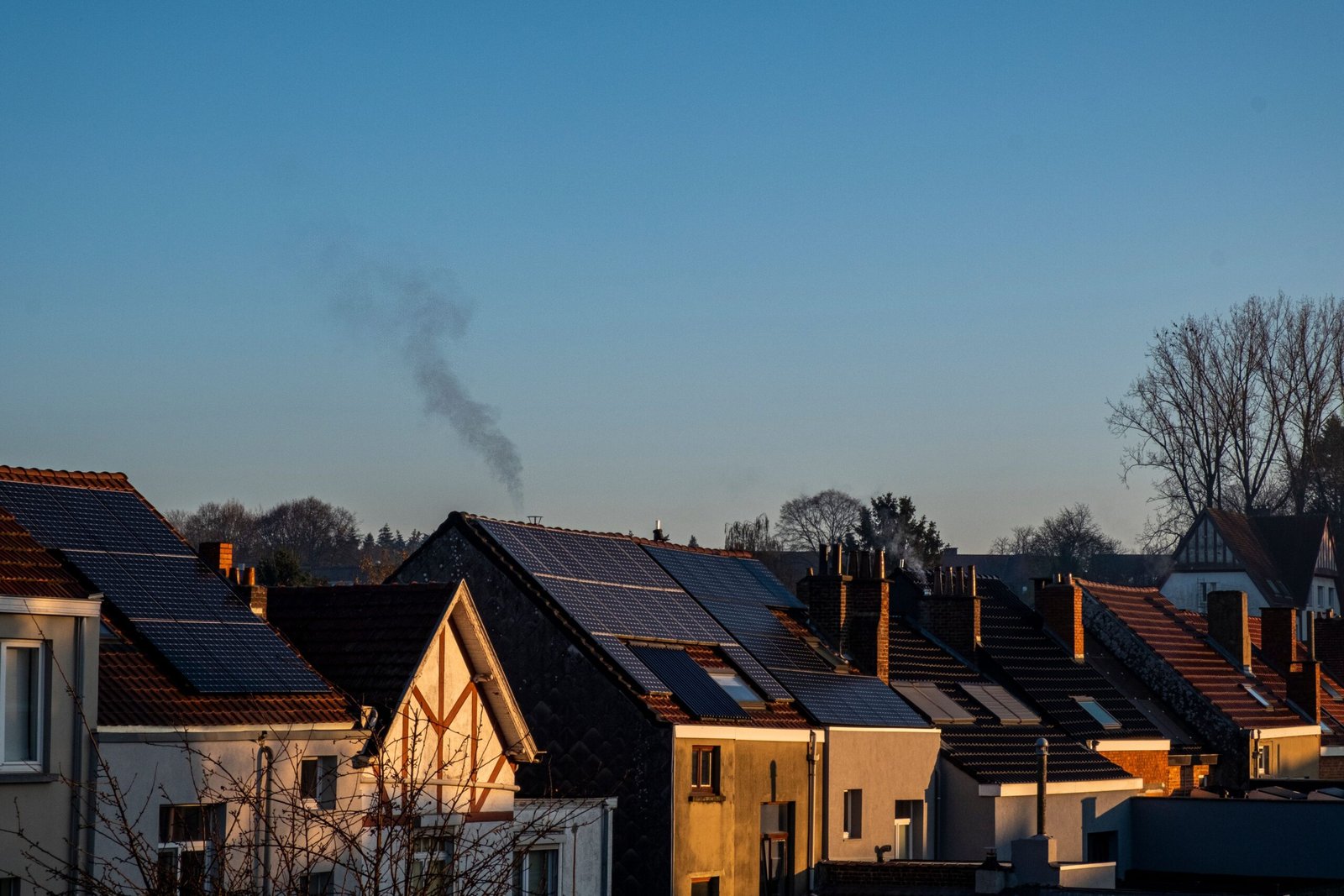
After cutting demand, the next step is to supply what remains from clean sources. Rooftop solar panels have become dramatically cheaper over the past decade and now make financial sense in many places. They can produce electricity for the home, and in some areas surplus power can be sold back to the grid. Pairing panels with a battery allows you to store daytime energy for evening use, and it provides backup during outages.
Solar thermal collectors, which heat water directly from the sun, are a simpler and often cheaper option in sunny climates. In some rural locations, small wind turbines or geothermal systems may be possible, though they depend heavily on local conditions.
If you rent, or if your roof isn’t suitable, you aren’t left out. Many electricity suppliers offer renewable energy plans, and community solar programs let households share the benefits of a larger installation.
Water-Wise Living
Water and energy are closely linked, because pumping, treating and heating water takes power. Saving one often saves the other.
Indoors, low-flow taps and showerheads, dual-flush toilets and efficient washing machines can cut household water use noticeably without hurting comfort. Fixing leaks promptly prevents waste that quietly adds up. Outdoors, collecting rainwater in barrels or tanks gives you free irrigation water. Native and drought-tolerant plants thrive with little watering, and mulch keeps soil damp. In more advanced systems, greywater from showers and washing machines can be filtered and reused to water the garden, subject to local regulations.
Permeable paving and gardens that let rain soak into the ground also help. Instead of rushing into drains and causing flooding, the water replenishes the soil and groundwater.
Choosing Better Materials
Every material in a house has an environmental story. Some of it comes from extraction and manufacturing, some from transport, and some from what happens when the building is eventually taken apart. Cement and steel, for instance, have very large carbon footprints, which is why builders are increasingly looking at alternatives.
Options include responsibly sourced timber, bamboo, rammed earth, straw bales, hempcrete and recycled or reclaimed materials. Reclaimed bricks, salvaged wood and recycled-content insulation give materials a second life and keep them out of landfills. Choosing local materials reduces transport emissions and often suits the local climate better.
Finishes matter for health as well. Paints, adhesives and some furnishings release volatile organic compounds, which can affect indoor air quality. Low-VOC or zero-VOC products are widely available, and natural materials like wood, cork, wool and linen are good choices for floors, fabrics and furniture.
Durability is the often-forgotten part of the picture. A material that lasts for decades without constant replacement is usually more sustainable than something cheaper that wears out quickly.
Healthy Indoor Spaces
An eco-friendly home isn’t only good for the planet. It should be good for the people inside it. Fresh air, natural light, comfortable temperatures and low levels of pollutants all contribute to well-being. Good ventilation reduces moisture and mold. Houseplants add some pleasantness, though they’re not a substitute for proper airflow. Avoiding harsh chemical cleaners and choosing fragrance-free or plant-based alternatives keeps indoor air cleaner. Access to views of greenery, even a small garden or balcony planter, has been linked to better mood and lower stress.
Retrofitting an Existing Home
Most of the homes that will exist in 2050 have already been built, so improving existing ones matters enormously. The good news is that you don’t need to do everything at once, or spend a fortune.
A sensible approach is to begin with an energy audit, whether professional or a simple walk-through at home, to find where energy is leaking. Then tackle the quick, low-cost fixes first: LED bulbs, draft-proofing, tap aerators and a smart thermostat. After that, move to bigger investments in order of payback, such as insulation, efficient heating and cooling, and finally solar panels or battery storage. Check for local grants, rebates and low-interest loans, since many governments and utilities help cover the cost.
Renters can still make a difference. Plug-in LED lights, removable draft seals, thermal curtains, efficient power strips and low-flow showerheads that can be swapped back don’t require the landlord’s permission, and conversations with landlords about insulation or efficient appliances are worth having.
Living Sustainably Day to Day
A well-designed home can only do so much. The people in it determine the rest. Turning off lights and devices, drying clothes on a line when the weather allows, washing at lower temperatures and keeping the thermostat reasonable all make a measurable difference. Reducing household waste, composting food scraps, repairing instead of replacing and buying fewer, better-made things extend the benefits beyond the walls of the house. Growing some food at home, even a few herbs, reduces packaging and brings a touch of nature indoors.
Conclusion
The homes we build and maintain shape our energy bills, our health and our impact on the planet for decades. An eco-friendly home brings those together, with smart design, good insulation, efficient equipment, clean energy, careful water use and thoughtful materials all working as a team.
It doesn’t have to be perfect, or expensive, or finished in one go. Whether you’re planning a new build or working on a house you’ve lived in for years, every improvement counts, and many of them pay you back through lower bills and a more comfortable place to live.
The best sustainable home is one that people want to live in, a place that feels good, costs less to run and treads lightly on the world around it. That’s a goal worth working toward, one upgrade at a time.
About the Author