Introduction
There is something quietly remarkable about a solar panel. It sits on a roof, makes no noise, burns nothing, and turns sunlight into the electricity that runs a refrigerator or charges a phone. A wind turbine does much the same with moving air. Together, these two technologies have gone from curiosities to cornerstones of the global energy system in barely two decades, and they now supply roughly a seventh of the world’s electricity. The reasons go well beyond climate. They clean the air, cut bills, create jobs, and make countries less dependent on fuel they have to buy from others. This article walks through the benefits of solar and wind energy, along with the honest challenges.
How Solar Power Works
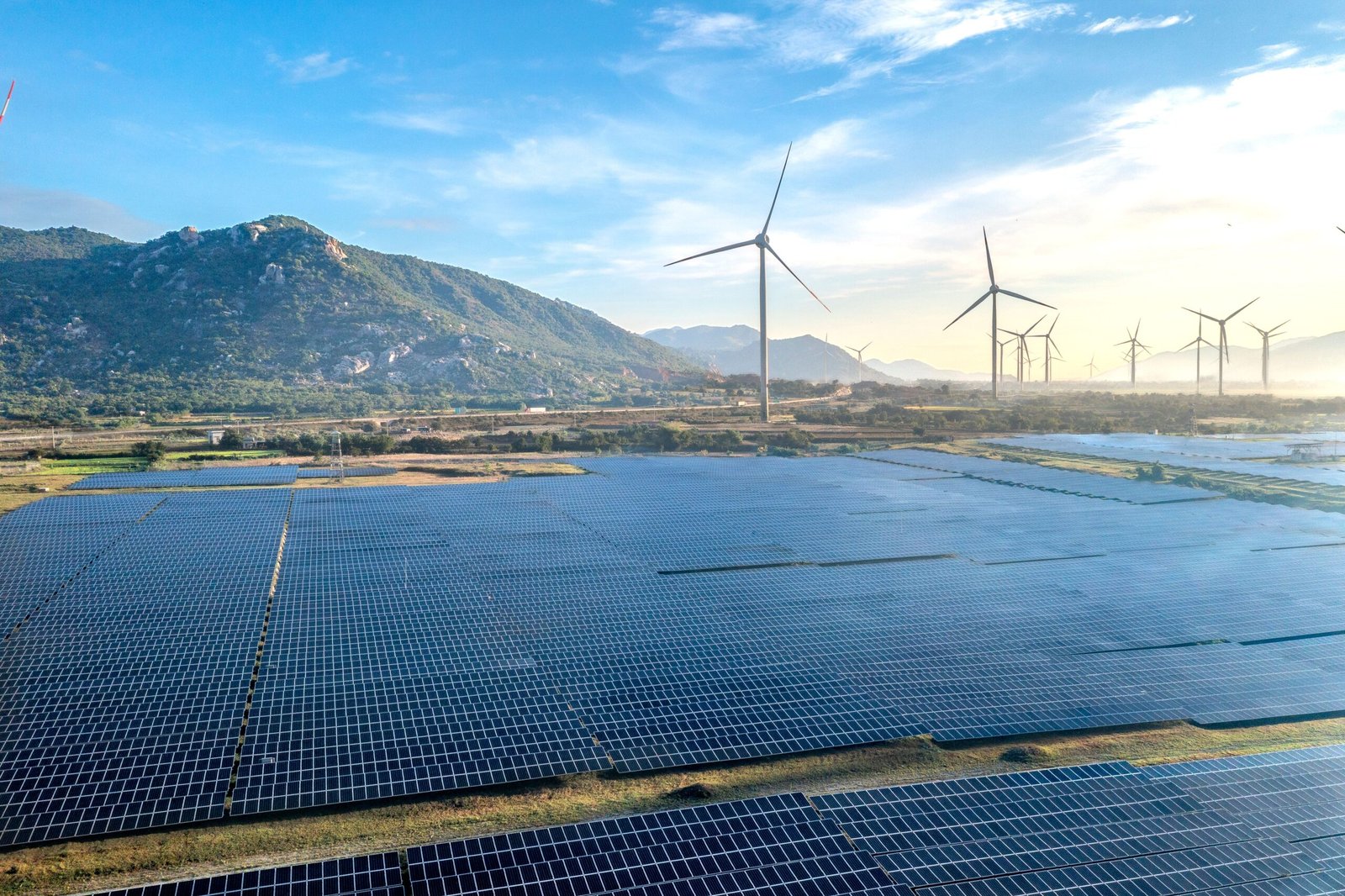
Most solar power comes from photovoltaic panels, made of thin layers of silicon or similar materials. When sunlight hits the cells, it knocks electrons loose, creating an electric current without any moving parts or fuel. That current is converted into the kind of electricity used in homes and businesses. Panels can be scaled to nearly any size, from a pocket-sized charger to a desert farm covering thousands of acres. They work best in bright conditions, but they still produce power on cloudy days, just at lower levels. Because they have no moving parts, panels need little maintenance, and many are guaranteed to last 25 years or more.
How Wind Power Works
A wind turbine is basically a giant fan running in reverse. Wind pushes the blades, which spin a shaft connected to a generator, producing electricity. Modern turbines are impressively engineered. Their blades are shaped like airplane wings, and computers tilt them and turn the whole machine to face the wind. Bigger turbines catch stronger winds higher above the ground, so newer designs tower over older ones. Wind farms can be built on land or out at sea, where the wind is steadier. Turbines start generating at fairly gentle breezes and shut down automatically in storms. Once operating, they use no fuel and produce no smoke or exhaust.
Cutting Carbon Emissions
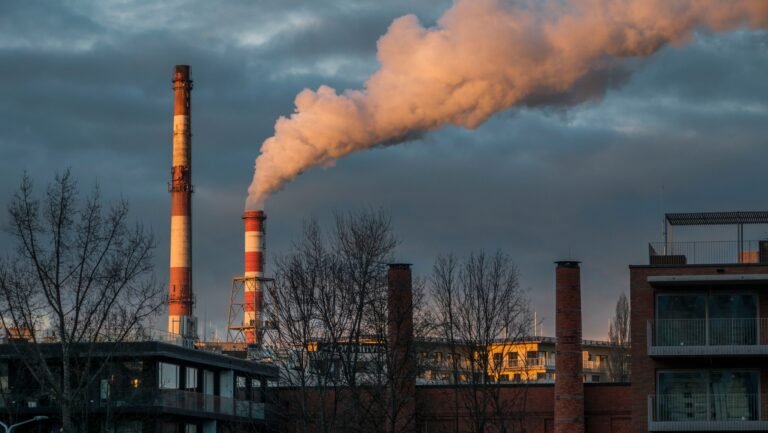
The headline benefit is climate. Generating electricity from coal and gas is a leading source of greenhouse gases, while solar and wind produce virtually none during operation. Even counting manufacturing, transport, and construction, their lifetime emissions per unit of electricity are a small fraction of those from fossil fuels, according to assessments by the Intergovernmental Panel on Climate Change. Wind comes out especially low, and solar is not far behind. Energy payback is quick too. A solar panel typically produces more energy than went into making it within a few years, and a wind turbine does so in months, leaving decades of clean output. Scaling both is among the most effective climate moves we have.
Cleaner Air and Healthier Communities
Burning fossil fuels pollutes the air with fine particles, sulfur dioxide, and nitrogen oxides, which contribute to asthma, heart disease, and early death. Solar and wind farms release none of that. When a coal plant is replaced by clean power, the air in nearby towns improves, and so do hospital statistics. For people living near power stations or busy industrial areas, the difference can be life-changing. Cleaner air also means fewer sick days, lower healthcare costs, and healthier children. These local benefits arrive quickly, unlike climate gains, which unfold over decades. That makes the health case a powerful argument for clean energy, even for people who are unconvinced by the climate argument.
Falling Costs and Savings
The economics have flipped. Since 2010, the cost of solar electricity has fallen by roughly ninety percent, and onshore wind by about seventy percent. In many parts of the world, building new solar or wind farms is now cheaper than running existing fossil fuel plants. Once installed, they have no fuel bill, so their cost is mostly upfront and predictable. For households, rooftop solar can slash electricity bills, and in sunny regions the investment can pay for itself in a handful of years. Cheaper power helps businesses, too, and it is particularly valuable in countries where electricity is expensive or unreliable. Falling prices are what turned a good idea into a global movement.
Energy Independence and Security
Sun and wind are available domestically, which means countries that harness them rely less on imported fuel. That matters. When oil and gas prices spike because of wars or supply disruptions, importing nations suffer, and families feel it in heating and transport costs. The energy crisis that followed the invasion of Ukraine in 2022 pushed many governments to speed up their clean energy plans for exactly this reason. Local generation also spreads risk. Instead of depending on a few large plants, a grid with thousands of solar roofs and wind farms is harder to knock out. Energy security and clean energy, once seen as opposing goals, increasingly point in the same direction.
Jobs and Economic Growth
Solar and wind are labor-intensive in a good way. Worldwide, solar photovoltaics supports around seven million jobs, and wind more than a million, covering manufacturing, installation, operations, and maintenance. Many of these roles are local and cannot be moved overseas, like putting panels on a school roof or servicing a wind farm in a rural county. Landowners can earn lease income from turbines on farmland, giving a steady boost to rural economies. Regions that once relied on coal are finding new opportunities, though the transition needs support and retraining to be fair. Investment in these industries also fuels innovation, creating spin-off technologies in batteries, materials, and software.
Saving Water
One of the lesser-known advantages is water. Conventional power plants, whether fueled by coal, gas, or nuclear energy, use enormous amounts of water for cooling. In many regions, thermal power is among the biggest users of fresh water, competing with farms and towns, especially during droughts and heat waves. Solar panels and wind turbines need very little water, mostly for occasional panel cleaning. As climate change makes water scarcer in many places, that advantage grows. A shift to wind and solar can reduce pressure on rivers and aquifers, and it protects power supply from the risk that plants must slow down when cooling water becomes too warm or too scarce.
Land Use and Wildlife Benefits
Solar and wind do need space, but the picture is more nuanced than it sounds. Compared with mining, drilling, and the pollution that comes with them, their footprint can be modest. Turbines occupy a small portion of the land in a wind farm, and farming and grazing continue right up to their bases. Solar panels can be mounted on rooftops, parking lots, and degraded land, and agrivoltaics, which combine crops or grazing with solar arrays, are growing in popularity. Well-managed solar farms can even support pollinators when planted with wildflowers. Wildlife risks are real, especially for birds and bats near turbines, but careful siting and technology can reduce them.
Power for Remote and Underserved Communities
Around the world, hundreds of millions of people still lack reliable electricity, particularly in sub-Saharan Africa and parts of South Asia. Extending the grid to remote villages is expensive and slow. Solar offers a shortcut. Small solar home systems and village mini-grids can bring light, phone charging, and refrigeration without waiting for the main grid. Clinics can keep vaccines cold, schools can run computers, and shops can stay open after dark. Pakistan has seen a surge in rooftop panels as households and farmers seek relief from high tariffs and outages. Giving people access to clean power is more than a convenience. It can lift health, education, and income.
Making the Most of Variable Power
The sun sets and the wind drops, and skeptics often say that is a fatal flaw. It is a real challenge, but one with practical answers. Batteries have become dramatically cheaper and are now being installed alongside solar farms to shift power into the evening. Wind and solar often complement each other, since winds tend to pick up at night or in winter when the sun is weaker. Connecting wide regions through transmission lines evens out local weather quirks. Flexible demand, such as charging electric vehicles at times of surplus, helps too, as do hydropower, geothermal, and other firm sources. Reliable grids with high shares of wind and solar are already operating.
Addressing the Concerns
No energy source is perfect, and credible advocacy admits that. Manufacturing panels and batteries requires mining and processing materials, with environmental and labor concerns, so responsible sourcing and recycling are vital. Panels contain valuable glass, aluminum, and silicon that can be recovered, and recycling industries are growing. Wind turbine blades, made of composites, are harder to recycle, though new designs are emerging. Some people dislike the look or sound of turbines, and community engagement and fair benefit-sharing can ease opposition. Permitting delays and grid bottlenecks slow many projects. These problems deserve attention, but they pale in comparison with the harms of continuing to burn fossil fuels.
Solar and Wind Around the World
The shift is global. China leads in both manufacturing and installation, adding staggering amounts of capacity each year. The European Union, the United States, and India are racing ahead as well. Denmark often generates more than half its electricity from wind, while countries like Australia have some of the highest rates of rooftop solar anywhere. Solar has become the largest source of new power capacity worldwide. Emerging economies are embracing it too, often leapfrogging older technologies in the same way mobile phones bypassed landlines. Still, much of the money flows to wealthy nations and China, and helping lower-income countries get affordable financing remains a key task.
Looking Ahead: How to Support the Shift
Governments, businesses, and individuals all have a hand in speeding things along. Governments can set clear targets, streamline permits, upgrade grids, and end subsidies for fossil fuels. Companies can buy clean power directly and cut their own emissions. Individuals can choose a green electricity plan, install rooftop solar or join a community solar project, improve home efficiency, and support leaders who back clean energy. Even small steps help build demand and send a signal. Solar and wind are not a cure-all, but they are the most scalable tools available right now. The sun and the wind are not going anywhere, and we have finally learned how to put them to work.
About the Author