Introduction
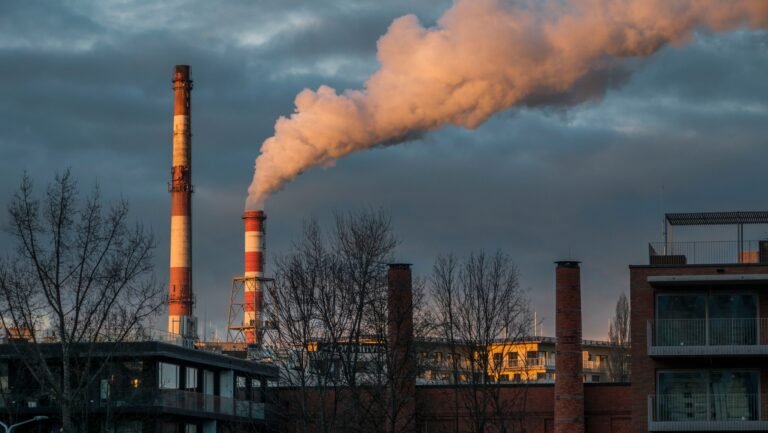
For most of modern history, powering a society meant digging something up and burning it. Coal fed the factories, oil moved the cars, and gas heated the homes. It worked brilliantly, until the side effects piled up in the sky. Today a different story is unfolding. Sunlight, wind, flowing water, and heat from the Earth are being harnessed at a scale that seemed fanciful a generation ago, and in many places they are now the cheapest way to make electricity. It is becoming the backbone of the global energy system. This article explores how it works, what is driving its rise, and the hurdles that remain.
What Counts as Renewable Energy?
Renewable energy comes from natural sources that replenish themselves on a human timescale. The big players are solar, wind, hydropower, geothermal, and bioenergy, with ocean energy as a smaller, emerging member. Unlike coal, oil, and gas, they do not run out, and most produce little or no greenhouse gas while operating. That does not make them free of impact, since building dams, panels, and turbines uses land, materials, and energy. But over their lifetimes, their emissions are a small fraction of those from fossil fuels.
Why the World Needs to Shift
The case rests on several pillars. First is climate. Burning fossil fuels is the largest source of greenhouse gas emissions, so replacing them is central to limiting warming. Second is health. Air pollution from coal plants, diesel engines, and indoor fires kills millions of people every year, and cleaner energy brings immediate benefits. Third is security. Countries that import fuel are exposed to price spikes and political shocks, as the energy crisis after 2022 made clear, while sun and wind are domestic resources.
Solar Power
Solar is the star of the renewable boom. Photovoltaic panels convert sunlight directly into electricity, and their cost has plunged by roughly ninety percent since 2010. That collapse turned solar from an expensive novelty into the cheapest new source of electricity in much of the world. Panels can go almost anywhere, from desert solar farms the size of small cities to rooftops, farms, and floating platforms on reservoirs. Pakistan offers a striking example, where households and businesses have rushed to buy imported panels to escape high grid prices and outages.
Wind Power
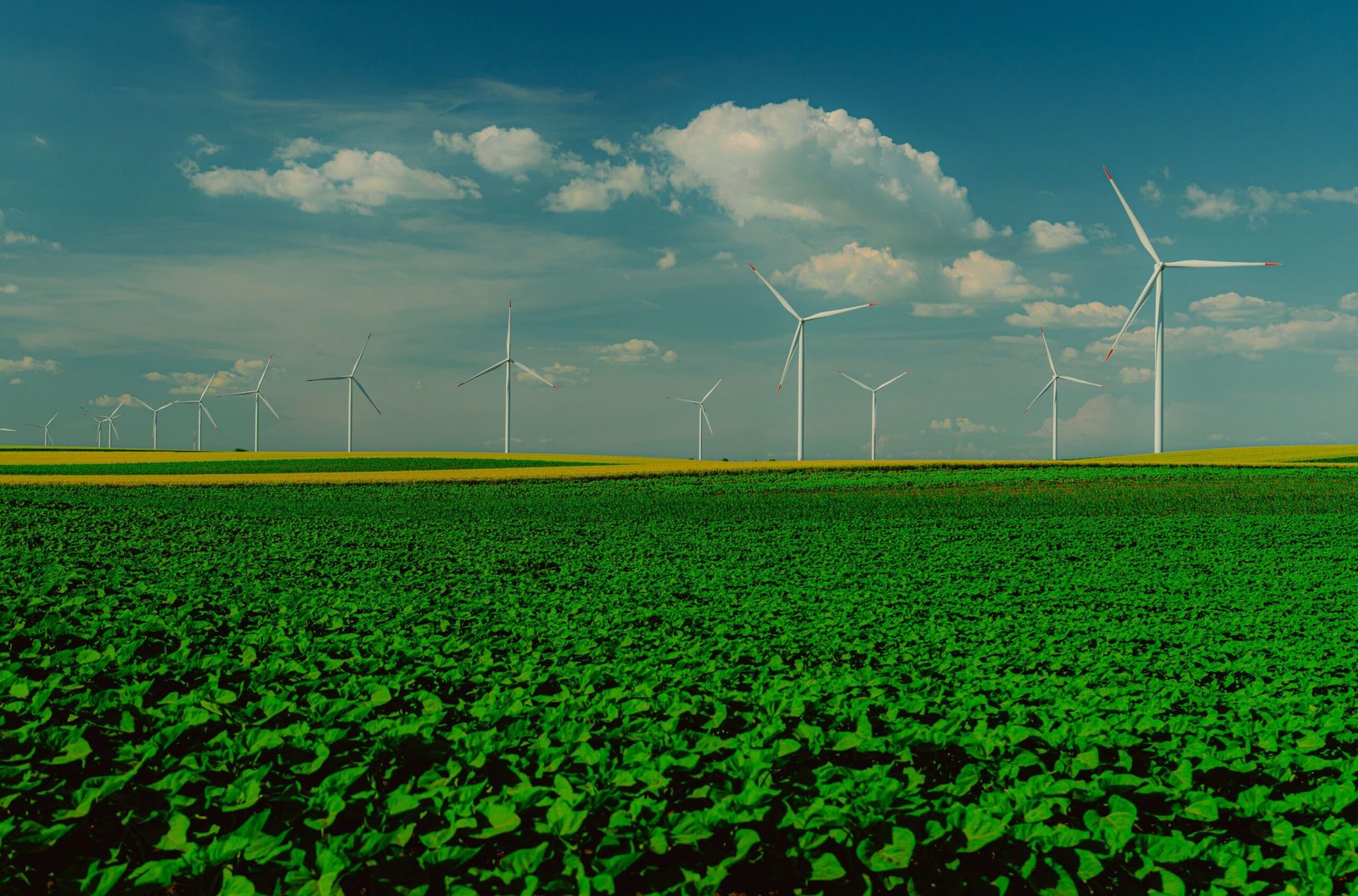
Wind turbines capture the energy of moving air, and modern machines are impressive. Today’s largest offshore turbines stand taller than skyscrapers, with blades longer than a football field, and a single rotation can power a home for a day. Onshore wind is already one of the cheapest sources of electricity, while offshore wind offers stronger, steadier breezes and room for massive projects. Denmark, for example, gets well over half its electricity from wind in a typical year. Wind farms do raise concerns about noise, views, and impacts on birds and bats, which careful siting and design can reduce. Floating turbines are opening deeper waters.
Hydropower
Hydropower is the oldest and largest source of renewable electricity, producing roughly a sixth of the world’s power. Dams store water and release it through turbines on demand, which means hydropower can respond quickly to changes in grid demand, a valuable trait in a system with lots of variable wind and sun. Pumped storage plants, which move water uphill when power is cheap and release it when it is needed, are the biggest form of grid energy storage today. The downsides are serious, though. Large dams can displace communities, flood ecosystems, block fish migration, and emit methane from decaying vegetation. Smaller and better-designed projects can limit damage.
Geothermal Energy
The Earth’s interior holds an immense reservoir of heat, and geothermal energy taps it for electricity and direct heating. Where hot rock lies close to the surface, as in Iceland, Kenya, Indonesia, and the western United States, wells bring up steam or hot water to drive turbines or warm buildings. Iceland heats the vast majority of its homes this way. Geothermal runs around the clock, regardless of weather, which makes it an excellent complement to solar and wind. Its main limitation has been geography, since good sites are not everywhere. New drilling techniques, borrowed partly from the oil and gas industry, aim to unlock hotter, deeper resources, and ground-source heat pumps bring a small-scale version to ordinary homes.
Bioenergy
Bioenergy comes from organic material such as wood, crop residues, animal waste, and dedicated energy crops. It can be burned for heat and power, turned into biogas through digestion, or processed into liquid biofuels for vehicles and aircraft. Done well, using waste and residues, it can cut emissions and reduce disposal problems. Done badly, it can drive deforestation, compete with food crops, and release as much carbon as fossil fuels. The sustainability of the feedstock and the time it takes for regrowth are central questions. Bioenergy is likely to play a supporting role, especially in sectors that are hard to electrify, like aviation and shipping, but it needs strict safeguards.
Ocean Energy and Emerging Technologies
The sea holds vast energy in its tides, waves, and temperature differences, yet harnessing it has proved difficult. Tidal barrages and turbines are working in a few places, including France and South Korea, but waves are rough on equipment, and costs remain high. Still, research continues, and tidal streams are predictable, which is a plus. Other frontiers include green hydrogen, made by splitting water with renewable electricity, which could decarbonize steel, chemicals, and heavy transport. Not every idea will succeed, but the pace of innovation shows how much room there is to improve.
Energy Storage and Batteries
The sun sets and the wind drops, so storing energy is key to a renewable grid. Lithium-ion batteries have followed a dramatic cost decline, with prices falling around ninety percent over roughly a decade, which has made electric vehicles competitive and grid-scale storage practical. Large battery installations now shift solar power from afternoon to evening in places like California and Australia. Other approaches include pumped hydro, thermal storage that holds heat or cold, compressed air, and flow batteries for longer durations. Longer-lasting storage for days or seasons remains a challenge, and may rely on hydrogen or other fuels. Better storage turns variable renewables into reliable power.
Grids and Integration
Generating clean power is half the job, and delivering it is the other half. Existing grids were built around large, centralized power plants, and adapting them to many smaller, variable sources takes investment. Transmission lines must carry power from sunny deserts and windy coasts to cities, and in many countries, permitting and construction of new lines are painfully slow. Smart grids, flexible demand, such as charging electric vehicles when power is plentiful, and connections between regions all help balance supply and demand. The engineering is solvable, but it requires foresight and funding.
The Economics
Costs have changed the game. Solar and onshore wind are now often cheaper than new coal or gas plants, even before counting their environmental benefits, and the International Renewable Energy Agency has found that most new renewable projects undercut fossil alternatives. Once built, solar and wind have no fuel costs, which shields consumers from volatile prices. Financing remains a hurdle, especially in developing countries, where capital is expensive and risks are perceived as high. Fossil fuels still receive large subsidies around the world, tilting the field. Even so, global investment in clean energy now exceeds spending on fossil fuels, a milestone that signals the direction of travel.
Jobs and Economic Opportunity
Renewable energy is a major employer. Worldwide, the sector supports well over sixteen million jobs, in manufacturing, construction, installation, maintenance, and research. Many of these roles are local, such as installing rooftop panels or maintaining wind farms, and cannot be outsourced. For workers in coal, oil, and gas, the shift can be painful, so a just transition, with retraining, support, and investment in affected regions, is essential. Renewable power can also bring electricity to remote places without grids through mini-grids and solar home systems, powering schools, clinics, and small businesses. Access to reliable energy is a stepping stone to better health, education, and income.
Challenges and Criticisms
Renewables are not perfect, and honest discussion includes the drawbacks. Intermittency requires storage and flexible grids. Solar and wind farms need land, and poorly planned projects can harm habitats or provoke local opposition. Manufacturing relies on minerals such as lithium, cobalt, copper, and rare earths, whose mining carries environmental and human rights risks, which makes recycling and responsible sourcing vital. End-of-life disposal of panels, batteries, and turbine blades needs solutions. Supply chains are concentrated in a few countries, raising security questions. None of these problems is a reason to stop, since fossil fuels carry larger harms, but they are reasons to proceed carefully.
Policy and Global Progress
Governments have a big hand in the transition. Tools include renewable targets, feed-in tariffs, auctions, tax credits, carbon pricing, and building standards. Record amounts of new renewable capacity have been added in recent years, led by solar, and at the 2023 UN climate summit, nearly 200 countries agreed on the aim of tripling global renewable capacity by 2030. China dominates manufacturing and installation, while the European Union, the United States, India, and others are expanding quickly. Progress is uneven, with many low-income countries receiving a small share of global investment. Stable, predictable policy tends to attract the most investment, while sudden reversals scare it away.
The Road AheadThe technology is largely ready. What matters now is speed, fairness, and execution. We need to build clean power faster, modernize grids, expand storage, and electrify transport, heating, and industry, while making sure that no community or country is left behind. Individuals can contribute by choosing green electricity where available, installing solar or heat pumps if they can, improving efficiency, and backing policies that favor clean energy. The shift will not be effortless, and it will have bumps. But every year, the sun delivers far more energy to Earth than humanity uses. Learning to capture it wisely may turn out to be one of the best things we ever do.
About the Author