Introduction
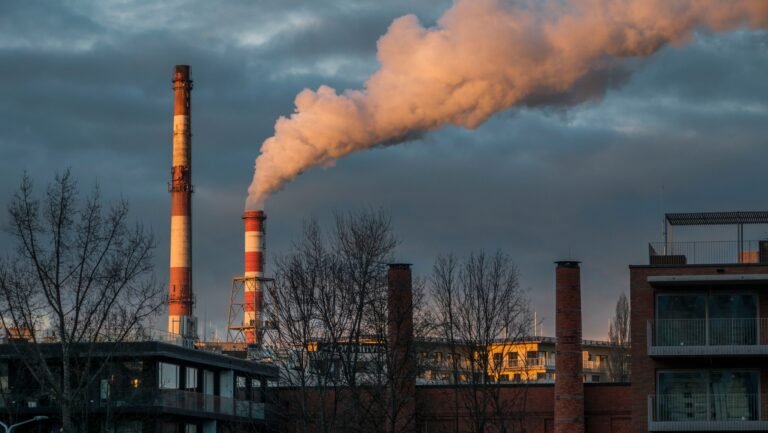
Every environmental problem, from plastic in the sea to carbon in the sky, ends up at the same doorstep: human choices. Technology and policy can shift those choices, but neither works without people who understand what is at stake and care enough to act. That is where environmental education comes in. It is the slow, patient work of helping people, especially young people, see how nature works, how our daily lives connect to it, and what we can do to keep it healthy. It does not make headlines the way a storm or an oil spill does. But the children sitting in classrooms today will run the economies, write the laws, and make the purchases that decide the planet’s future.
What Is Environmental Education?
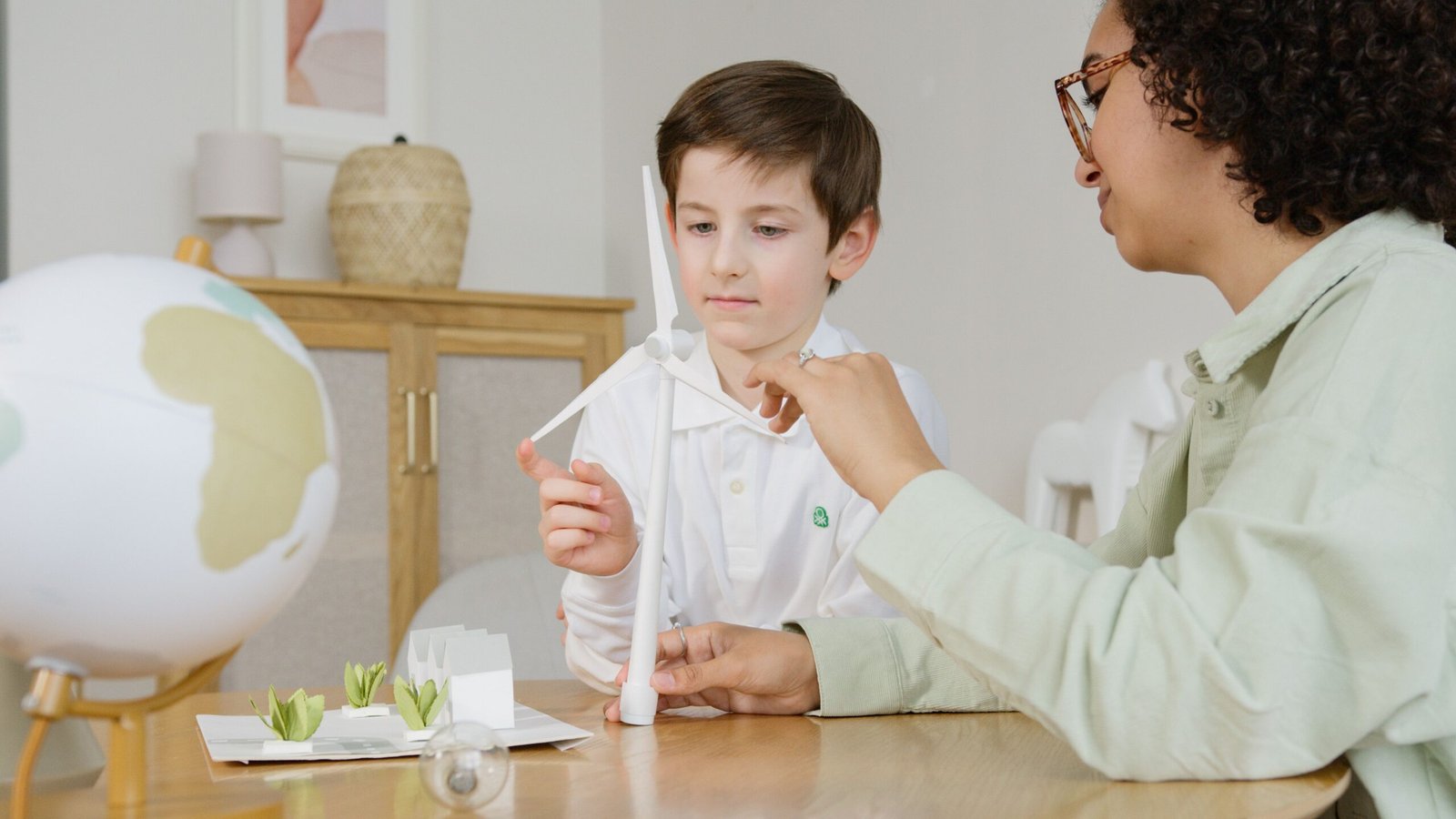
Environmental education is a process that builds knowledge, skills, attitudes, and motivation to help people understand and protect the natural world. It is not simply a science lesson about ecosystems, although that is part of it. Good environmental education blends facts with experience, critical thinking, and a sense of responsibility. It asks learners to examine real problems, weigh different perspectives, and consider solutions. A related idea, education for sustainable development, widens the lens to include social and economic dimensions, such as fairness, health, and livelihoods. Whatever the label, the goal is the same: to produce people who can think clearly about environmental issues and act on them wisely.
A Brief History
The idea took shape in the second half of the twentieth century, as pollution and resource depletion became impossible to ignore. The 1972 United Nations Conference on the Human Environment in Stockholm recognized the importance of environmental education. In 1975, the Belgrade Charter laid out goals for awareness, knowledge, attitudes, skills, and participation. Two years later, an intergovernmental conference in Tbilisi set principles that still guide the field. The 1992 Earth Summit in Rio embedded education in its action plan, and the UN later declared a decade of education for sustainable development. Today, target 4.7 of the Sustainable Development Goals calls on all learners to gain the knowledge and skills needed to promote sustainability.
Why Awareness Matters
People cannot solve problems they do not understand. Awareness is the first step in a chain that leads from knowing to caring to doing. When citizens grasp how their habits affect water, air, and wildlife, they are more likely to support sound policies, change their behavior, and hold leaders accountable. Awareness also protects against misinformation. In an age when false claims about climate and pollution spread quickly, the ability to evaluate evidence is a form of civic armor. And awareness takes time to build. A child who learns to love a local stream is more likely to defend it as an adult. Education plants those seeds early, and they tend to grow.
The Knowledge–Action Gap
Here is the uncomfortable truth: information alone rarely changes behavior. Plenty of people who know about climate change still drive, fly, and consume much as before, because habits, costs, convenience, and social norms all pull in other directions. Researchers call this the knowledge-action gap. Effective environmental education therefore goes beyond telling people facts. It builds emotional connection, offers hands-on experiences, and gives learners a sense that their actions matter. It also provides practical skills, such as how to reduce waste, grow food, or analyze data. The aim is to move from knowing to caring to doing, and to help people see themselves as part of the solution rather than spectators.
Environmental Education in Schools
Schools reach nearly every young person, which makes them a powerful place to start. Yet the coverage is uneven. A UNESCO review of national curricula found that nearly half did not mention climate change at all, and where it appears, it is often confined to science classes. The strongest approaches weave environmental themes across subjects. Students might calculate their school’s energy use in math, write persuasive essays about local pollution in language classes, study the history of land use in social studies, and design a campus garden in art or technology. Programs like Eco-Schools, which operates in dozens of countries, show how whole-school projects can bring students, teachers, and communities together.
Learning Outside the Classroom
Some lessons simply stick better outdoors. Field trips, school gardens, nature walks, and citizen science projects give learners direct experience that textbooks cannot match. Counting birds, testing river water, or planting trees turns abstract ideas into something real and personal. Forest schools, popular in Scandinavia and spreading elsewhere, hold regular classes in woodland settings and encourage curiosity and independence. Museums, zoos, aquariums, and nature centers also play a part, as do youth groups and summer programs. The key is repeated, meaningful contact rather than a single outing. Experiences that let young people take part, ask questions, and see results tend to build the strongest connection.
Early Childhood and Nature Connection
Attitudes toward nature are shaped early. Studies suggest that children who spend time playing in natural settings are more likely to develop a lasting sense of connection and concern for the environment as they grow older. Yet many kids today, especially in cities, spend very little time outdoors, a trend sometimes called nature-deficit. Simple things can help: mud puddles, gardens, tree climbing, bug hunting, and unstructured play. Early childhood educators and parents do not need elaborate programs. They need time, safe green spaces, and adults who model curiosity and respect for living things. Wonder comes before worry, and a child who loves nature has a reason to protect it.
Higher Education and Green Skills
Universities and vocational schools prepare the people who will design clean energy systems, restore ecosystems, shape policy, and lead businesses. The global shift toward sustainability is creating demand for so-called green skills, in fields from renewable energy and sustainable agriculture to environmental law, urban planning, and data science. Millions of people already work in renewable energy worldwide, and the number is growing. But environmental literacy should not be limited to specialists. Future doctors, engineers, accountants, and artists all make decisions that affect the environment. Many universities now integrate sustainability across disciplines, run research on local challenges, and aim to reduce their own environmental footprint, teaching by example.
Families, Media, and Communities
Learning does not stop at the school gate. Families shape habits around food, energy, and waste, and children often influence their parents in return. Research has found that kids who learn about climate change at school can raise concern among their parents, particularly when conversations are open and respectful. Media, from documentaries to social platforms, shapes public understanding too, for better or worse. Community organizations, faith groups, libraries, and local governments run cleanups, workshops, and campaigns that reach adults. Lifelong learning matters because environmental problems do not wait for the next generation. Everyone has a part to play, and everyone has something to learn.
Technology and Digital Learning
Digital tools are opening new ways to learn about the environment. Satellite imagery lets students watch forests shrink or glaciers retreat. Apps help users identify plants and birds, while citizen science platforms invite them to contribute observations to real research. Simulations can model how ecosystems or climates respond to different choices, and virtual reality can take learners to coral reefs or rainforests they might never visit. Online courses make expert knowledge accessible to people far from universities. Technology has pitfalls, though, including the digital divide and the risk of replacing real-world experience with screens. The best use of it is as a bridge to nature, not a substitute.
Indigenous and Traditional Knowledge
Environmental education should not be a one-way street from experts to everyone else. Indigenous peoples and local communities hold deep knowledge about land, water, and wildlife, developed over countless generations and based on close observation. Practices such as rotational grazing, seasonal fishing, controlled burning, and sacred groves have helped keep ecosystems healthy for centuries. Including these perspectives in curricula enriches understanding and respects the cultures that have long cared for the land. It also shows learners that there are many ways of knowing. Partnerships with elders, local practitioners, and community members can make education more relevant, particularly where it is grounded in the places students call home.
Challenges and Barriers
Despite its promise, environmental education faces real obstacles. Crowded curricula leave little room for new topics, and many teachers have not received training in environmental subjects or in ways to teach them with confidence. Funding is limited, particularly in poorer regions where basic school resources are scarce. Access to green space is unequal, so children in dense, low-income neighborhoods may have fewer chances to connect with nature. Climate topics can become politically charged, making some educators wary. There is also a concern about eco-anxiety, since surveys show many young people feel worried or powerless about the future. Good education should balance honesty with hope, and pair problems with solutions and action.
Building a Culture of Care
The aim of environmental education is not to produce experts in every field, but to nurture a society that values and protects the natural world. That means making environmental learning a normal part of schooling, from kindergarten through adulthood, and supporting teachers with training and resources. It means opening doors to the outdoors for every child, and listening to young people, who have already shown, through movements like the school climate strikes, that they are ready to lead. And it means keeping our focus on hope. Education cannot solve environmental problems on its own, but without it, no solution will last. The most valuable thing we can give the future is people who know how to care.
About the Author