
AK AdminadminEdit Profile
Introduction
From space, Earth looks blue for a reason. The ocean covers about seventy percent of the planet, and most of it lies out of sight and out of mind. That distance has encouraged an old habit of treating the sea as endless, too big to harm and too deep to matter. We now know better. Fishing fleets reach nearly every corner of the sea, plastic has been found at the bottom of the deepest trench, and rising heat is changing the water itself. Yet the ocean is also resilient when given a break, and some of the most encouraging conservation stories come from the sea. This article looks at what is at stake, what is going wrong, and how we can protect marine life and coastal ecosystems.
Why the Ocean Matters
The ocean is the planet’s life-support system. Microscopic plankton produce roughly half of the oxygen we breathe. The sea has absorbed around ninety percent of the extra heat trapped by greenhouse gases and about a quarter of our carbon dioxide emissions, which has softened the blow of climate change on land. It also feeds us. Around three billion people rely on seafood as an important source of protein, and fishing and related industries support hundreds of millions of livelihoods. Add shipping, tourism, and coastal protection, and the ocean’s economic value is enormous. Our own wellbeing is bound up in the health of a place most of us only visit on vacation.
A Tour of Marine Ecosystems
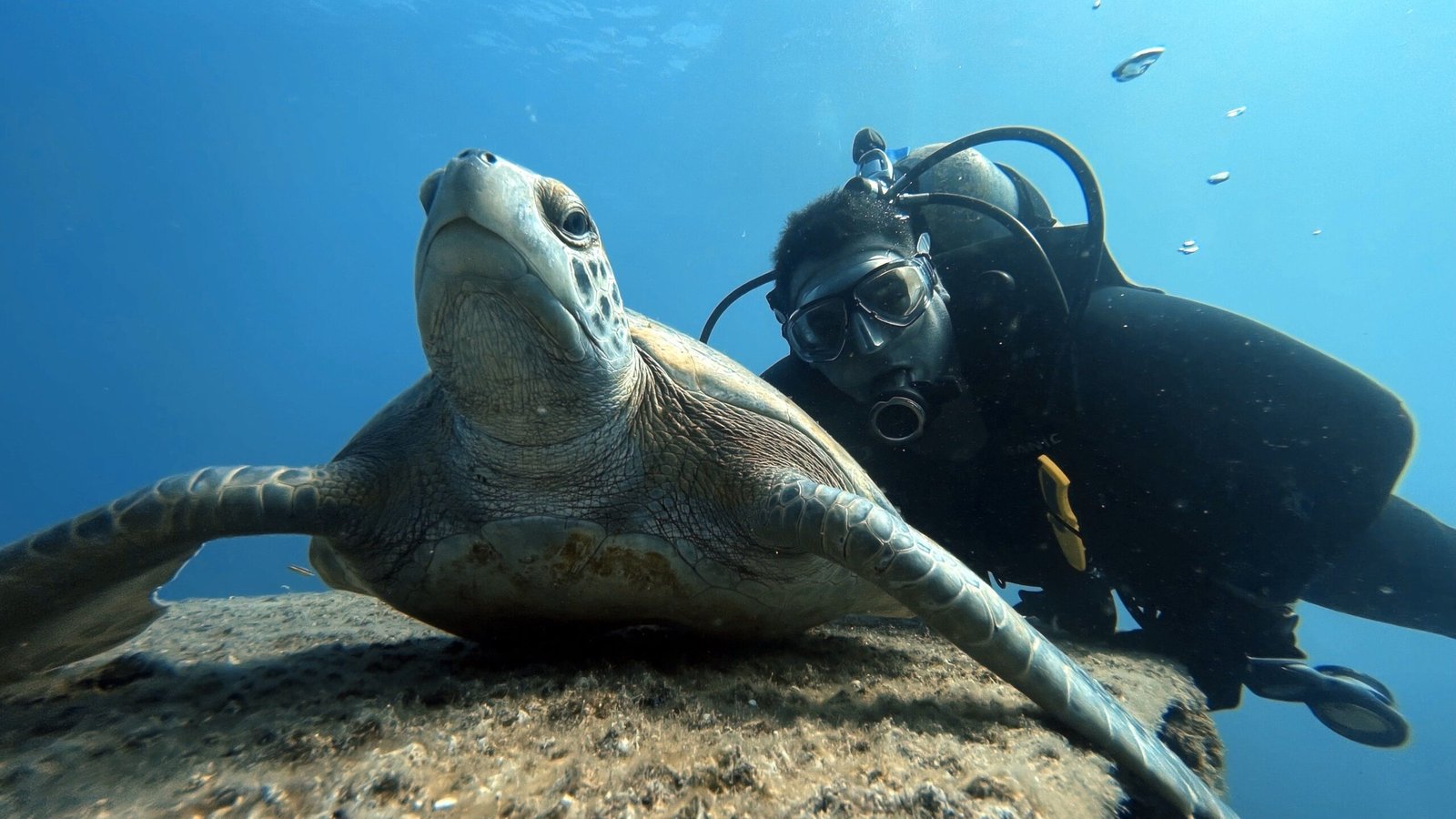
The sea is not one habitat but many. Coral reefs are the rainforests of the ocean, packed with colorful life. Kelp forests sway in cold coastal waters, sheltering fish, urchins, and otters. Seagrass meadows and mangrove forests line shallow coasts, serving as nurseries for young fish. Open-ocean waters host drifting plankton and migrating tuna, whales, and turtles. Far below, in darkness, cold seeps and hydrothermal vents support communities that live on chemical energy instead of sunlight. Each of these systems has its own threats and its own solutions, which is why ocean conservation has to be tailored to the place. What they share is that they are all connected by water.
Overfishing and Unsustainable Fisheries
Fishing is the most direct pressure on marine life. According to the Food and Agriculture Organization, more than a third of assessed fish stocks are being fished beyond sustainable levels, and the share has risen over the decades. Industrial fleets with sonar, giant nets, and refrigerated ships can chase fish across the globe, and subsidies that make fishing artificially cheap help keep overcapacity alive. Illegal, unreported, and unregulated fishing adds more pressure, particularly in waters where oversight is thin. Removing large predators like sharks and tuna can distort whole food webs. The encouraging part is that well-managed fisheries do recover. When catch limits are set by science and enforced, stocks can bounce back, and fishers benefit too.
Bycatch and Destructive Fishing Methods
Not everything pulled from the sea is meant to be there. Bycatch is the accidental capture of non-target species, such as dolphins, turtles, seabirds, sharks, and undersized fish. Millions of tonnes are caught and discarded each year. Some gear is especially damaging. Bottom trawling drags heavy nets across the seafloor, flattening habitats like cold-water coral and sponge gardens that can take centuries to recover. Dynamite and cyanide fishing, still used in some places, devastate reefs. Lost or abandoned nets, known as ghost gear, continue to trap animals for years. Fortunately, there are practical fixes, including turtle excluder devices, modified hooks, seasonal closures, and bans on the most destructive methods.
Ocean Warming and Marine Heat Waves
The sea is heating up, and marine life is feeling it. Marine heat waves, spells of unusually warm water that can last weeks or months, have become more frequent and intense. They have triggered mass die-offs of kelp, seagrass, and fish, and the latest global coral bleaching event has been the largest on record, hitting reefs in most ocean basins. Species are shifting toward the poles and into deeper water in search of cooler conditions, which disrupts fisheries and the communities that depend on them. Warmer water also expands, adding to sea level rise. No marine conservation plan can succeed without dealing with emissions, since warming is a pressure that local protections alone cannot block.
Acidification and Low Oxygen
As the ocean absorbs carbon dioxide, its chemistry changes. The water becomes more acidic, and surface acidity is already about thirty percent higher than before the Industrial Revolution. That makes it harder for oysters, mussels, corals, and tiny drifting snails to build their shells and skeletons. At the same time, warmer water holds less oxygen, and nutrient pollution can create low-oxygen zones where fish flee or die. These oxygen-poor areas are expanding in both coastal waters and the open sea. Hatcheries in the Pacific Northwest of the United States have already felt the impact of acidification, and some adapted by monitoring and adjusting water chemistry. Cutting emissions is the only long-term cure.
Pollution: Plastic, Nutrients, and Chemicals
Most ocean pollution starts on land. Plastic waste flows in from rivers and shores, endangering animals and breaking down into microplastics. Fertilizer and sewage fuel algae blooms and dead zones. Chemicals such as pesticides, mercury, and persistent industrial compounds accumulate in marine food webs, reaching high levels in predators such as tuna, dolphins, and seals. Oil spills, though less common than they once were, can devastate coastlines. Ships also generate underwater noise, which can interfere with whales and dolphins that rely on sound to communicate and navigate. Cleaning up the sea starts upstream, with better waste management, wastewater treatment, farming practices, and stricter rules on harmful chemicals.
Coastal Development and Habitat Loss
The coast is where people and the ocean meet, and where much of the damage happens. Cities, ports, resorts, and aquaculture ponds have replaced mangroves, wetlands, and dunes. Dredging and sand mining disturb the seabed, and seawalls can block the natural movement of beaches and marshes. Roughly a fifth of the world’s mangroves have been lost in recent decades, and seagrass beds are declining in many places. These habitats are vital nurseries and natural defenses, so their loss leaves communities more exposed to storms and erosion. Smart planning, such as giving coasts room to move and restricting building in sensitive zones, can preserve both nature and safety.
Deep-Sea Mining and Emerging Threats
A new frontier of industry is opening up in the deep sea. Companies are eyeing mineral-rich nodules on the seabed, particularly in the Pacific Ocean, for metals used in batteries and electronics. Scientists warn that mining could destroy slow-growing habitats, kick up sediment plumes, and harm species we barely know, with recovery potentially taking decades or longer. A growing number of countries have called for a pause or moratorium until the risks are better understood, while others argue that the minerals are needed for the clean energy transition. The debate illustrates a recurring lesson. It is far easier to prevent damage to a fragile ecosystem than to repair it afterward.
Coral Reefs: Protection and Restoration
Coral reefs cover a tiny fraction of the seabed yet shelter about a quarter of marine species, and they protect shorelines and support fisheries and tourism for hundreds of millions of people. Protecting them starts with reducing local stresses, such as pollution, overfishing, and destructive practices, which gives reefs a better chance of surviving heat. Restoration projects, like growing coral fragments in nurseries and transplanting them, can help in specific places, and scientists are searching for heat-tolerant corals. But restoration cannot keep up with global bleaching alone. Climate action remains the decisive factor, and the best hope for reefs is to limit warming as much as possible while giving them room to recover.
Mangroves, Seagrasses, and Blue Carbon
Coastal vegetation is a quiet hero in ocean conservation. Mangroves, salt marshes, and seagrass beds trap sediment, buffer waves, nurture young fish, and store large amounts of carbon in their soils, often called blue carbon. Per hectare, they can hold far more carbon than many land forests, and when they are destroyed, that carbon is released. Restoration is increasingly popular. Pakistan’s Indus Delta, for instance, has seen large-scale mangrove planting involving local communities. The most successful projects pick the right species and the right sites, address why mangroves disappeared in the first place, and give local people a stake in the outcome. Protecting what remains is cheaper than rebuilding.
Marine Protected Areas
Marine protected areas, or MPAs, are the sea’s equivalent of national parks. When well designed and enforced, they allow fish to grow bigger and more numerous, restore habitats, and sometimes boost nearby catches as young fish spill over the boundaries. Today around eight percent of the ocean has some form of protection, but only a small portion is strictly protected from extractive activities. Countries have committed to protecting thirty percent by 2030, a goal that will require both more coverage and better enforcement. The strongest MPAs are large, remote or well patrolled, long-lived, and supported by local communities. Networks of MPAs that connect habitats work better than isolated ones.
Sustainable Fisheries and Aquaculture
About half of the seafood we eat now comes from aquaculture, and how it is done matters. Poorly run fish farms can pollute waters, spread disease, destroy mangroves, and depend on wild-caught fish for feed. Better practices, such as farming shellfish and seaweed, which need no feed and can clean the water, and improving feed efficiency, make it a more sustainable option. For wild fisheries, tools like science-based quotas, gear restrictions, seasonal closures, and community management can rebuild stocks. Traceability and certification programs help consumers support responsible fishers, although they are not perfect. Ending harmful subsidies is another key step, one that countries have begun to tackle through international trade negotiations.
Law, Policy, and Governance
The ocean’s biggest challenge is that so much of it belongs to no one. Roughly two thirds of the ocean lies beyond national borders, in the high seas, where rules have long been patchy. That began to change with the High Seas Treaty, agreed in 2023, which creates a framework for marine protected areas and environmental assessments in international waters. Regional fisheries bodies, shipping rules through the International Maritime Organization, and national laws all play a part. Enforcement is the persistent weak point, but technology is helping. Satellite tracking of vessels now makes it possible to spot suspicious fishing activity from afar, and transparency is making it harder to hide.
What We Can Do
You do not have to live near the coast to affect the ocean. Choose seafood from sustainable sources, and try less-pressured species. Cut down on single-use plastics, and dispose of waste properly, since much of what ends up in the sea starts inland. Reduce your carbon footprint, which is ultimately an ocean issue too. If you visit coasts and reefs, use reef-safe sunscreen, avoid touching marine life, and pick responsible operators. Join a beach cleanup, back conservation groups, and support policies that protect marine areas. The ocean has been generous to us for as long as we have existed. Looking after it is one of the best ways of saying thank you.
About the Author