Introduction
Water looks the same whether it is clean or deadly. That simple fact sits at the heart of the water pollution problem. A glass of water can carry bacteria, pesticide residue, or heavy metals without a hint of color or smell, and for billions of people around the world, finding out the hard way is a real possibility. Rivers, lakes, aquifers, and oceans have been treated as convenient dumping grounds for centuries, and the bill is now coming due in sickness, dead fisheries, and costly cleanup. Yet water is also forgiving when we give it a chance. Rivers once declared biologically dead have recovered. This article looks at where water pollution comes from, who it harms, and how it can be turned around.
What Counts as Water Pollution
Water pollution occurs when harmful substances enter water bodies and make them unfit for drinking, farming, swimming, or supporting aquatic life. The contaminants come in many forms. Some are biological, such as bacteria, viruses, and parasites from human and animal waste. Others are chemical, including pesticides, solvents, pharmaceuticals, and metals. Physical pollutants such as plastic debris, sediment, and even excess heat from power plants count too. What makes something a pollutant is often a matter of amount and place. Nitrogen helps a crop grow, yet the same nitrogen in a lake can choke it. Context decides whether a substance is a resource or a hazard.
Point and Nonpoint Sources
Experts divide pollution sources into two broad groups. Point sources come from an identifiable spot, like a factory pipe, a sewage outfall, or a leaking tank. They are easier to find, measure, and regulate. Nonpoint sources are diffuse, such as rain washing fertilizer off farmland, oil and grit off roads, or chemicals off lawns and rooftops into storm drains. Each source on its own may seem small, but together they add up to a huge load. Nonpoint pollution is notoriously difficult to control, since it involves thousands of people and fields rather than a single polluter, and it typically takes a mix of rules, incentives, and good land management to tackle it.
Sewage and Untreated Wastewater
The oldest and still most deadly form of water pollution is human waste. Across the world, a large share of wastewater is released into the environment with little or no treatment, and in many lower-income countries the majority of it is. Billions of people still lack access to safely managed sanitation. When sewage seeps into rivers and wells, it carries pathogens that cause cholera, typhoid, dysentery, and hepatitis. Even in wealthy countries, aging pipes and combined sewer systems can overflow during heavy rain, sending raw sewage into waterways. Basic sanitation, including toilets, sewers, and treatment plants, remains one of the most powerful public health tools ever invented, and one that far too many people still lack.
Industrial Discharge
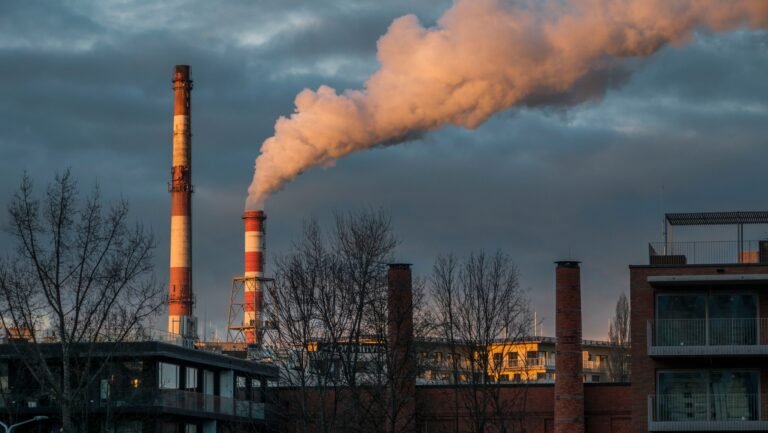
Factories use water for cooling, cleaning, and processing, and when it leaves the plant it can carry a nasty payload. Textile dyeing releases colorful, toxic effluent. Mining can leak acid and metals, tanneries discharge chromium, and chemical plants release solvents and byproducts that may persist for decades. Power stations return water that is warmer than when it went in, which reduces oxygen and stresses fish. In places with strong environmental laws, industries must treat their wastewater and are monitored for compliance. Where enforcement is weak, though, rivers near industrial zones can run strange colors and become unusable. Accidents add another risk, as spills from tanks, pipelines, and tailings dams can contaminate whole river systems in hours.
Agricultural Runoff and Nutrient Pollution
Farming feeds the world, but it is also a leading source of water pollution. Rain washes fertilizer, manure, and pesticides off fields and into streams. Nitrogen and phosphorus in particular act as fertilizer for algae, causing explosive blooms. When the algae die and decompose, the process consumes oxygen, leaving areas of water where fish and other creatures cannot survive. These are called dead zones, and there are hundreds of them worldwide, including a large one in the Gulf of Mexico that forms every summer. Some blooms also produce toxins that poison drinking water supplies. Sediment from eroding soil clouds waters as well, smothering habitats and carrying more pollutants along with it.
Plastics and Microplastics
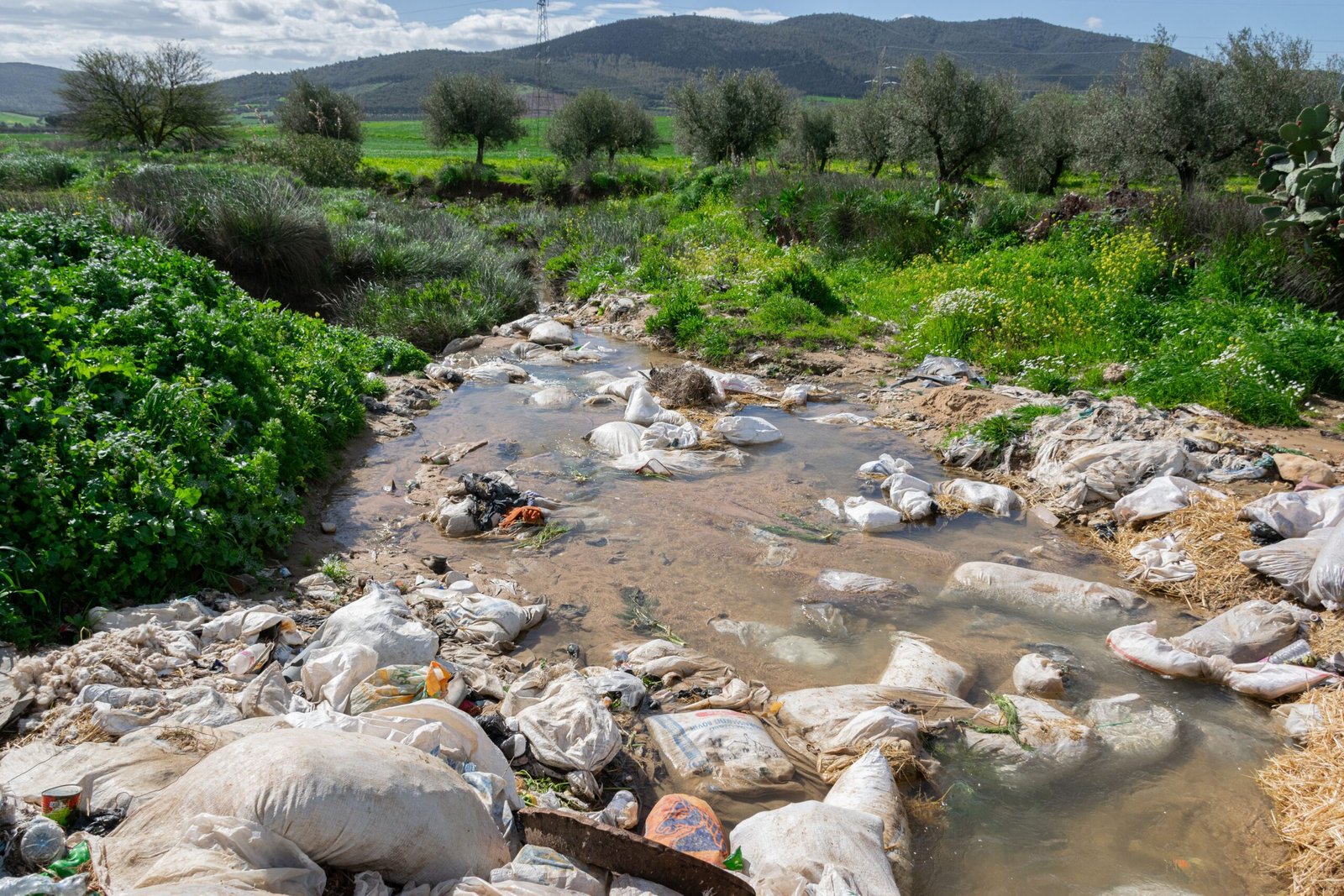
Millions of tonnes of plastic reach the oceans each year, carried by rivers, wind, and careless disposal. Bottles, bags, and fishing nets harm wildlife through entanglement and ingestion, with seabirds, turtles, and whales often found with stomachs full of debris. Over time, sunlight and waves break plastic into ever-smaller fragments, producing microplastics that are now found almost everywhere, from deep ocean trenches to Arctic ice and drinking water. Synthetic clothing sheds fibers in the wash, and tires shed particles on the road. Researchers are still working out how these tiny particles affect human health, but the sheer ubiquity of the material is cause for concern, and the plastic does not simply go away.
Oil Spills and Marine Pollution
High-profile oil spills like the Exxon Valdez in 1989 and the Deepwater Horizon in 2010 make headlines for their dramatic images of oiled birds and blackened beaches. They can devastate local ecosystems and fishing economies for years. Yet the larger share of oil entering the sea comes from less visible sources, including runoff from land, routine shipping operations, and leaks. Ships also discharge ballast water that can carry invasive species, and noise and chemicals from maritime activity add pressure. Beyond oil, the ocean collects pollutants from the land, including nutrients, chemicals, and trash. Because the sea is connected, a pollutant dumped on one coast can show up thousands of miles away.
Heavy Metals and Chemical Contaminants
Metals such as lead, mercury, arsenic, and cadmium do not break down, and they can build up in sediments, fish, and people. Mercury from coal burning and small-scale gold mining settles into waterways and accumulates in predatory fish. Lead, which damages children’s developing brains, can leach from old pipes, as the crisis in Flint, Michigan, painfully showed. Industrial chemicals known as PFAS, the so-called forever chemicals, have been found in water supplies around the world and take extraordinarily long to degrade. Pharmaceuticals, hormones, and personal care products pass through treatment plants and reach rivers, where they may affect fish. Many of these contaminants are harmful at very low levels, which makes detection and control a challenge.
Groundwater Contamination
About half the world’s population relies on groundwater for drinking, and it is out of sight, so contamination often goes unnoticed for years. Pollutants seep down from septic systems, landfills, leaking fuel tanks, farm fields, and industrial sites. Because groundwater moves slowly and has little capacity to cleanse itself, once it is contaminated it can stay that way for decades or even centuries. In some places, contamination is natural. Arsenic in aquifers across Bangladesh and parts of South Asia exposed millions of people when wells were drilled to avoid surface water germs. Overpumping adds to the trouble by drawing in salty or polluted water. Protecting recharge areas and testing wells regularly is far cheaper than cleaning up afterward.
Effects on Human Health
The link between dirty water and disease is direct and brutal. Unsafe water, poor sanitation, and lack of hygiene contribute to hundreds of thousands of deaths from diarrheal disease each year, with children under five among the most vulnerable. Repeated infections also leave kids malnourished and stunted, affecting how they grow and learn. Chemical contamination brings different risks. Lead harms the nervous system, arsenic is linked to cancers and skin lesions, nitrate can interfere with oxygen transport in infants, and long-term exposure to some industrial chemicals is tied to cancer and hormonal disruption. Swimming in polluted water can cause infections too. Prevention is vastly more effective than treatment, which is why safe water gets so much attention from health agencies.
Effects on Aquatic Ecosystems
Healthy waters teem with life, and pollution unravels it. Low oxygen from nutrient overload suffocates fish and invertebrates. Toxic chemicals can kill sensitive species outright or weaken them, so that they reproduce less successfully. Heavy metals and persistent pollutants climb the food chain in a process called biomagnification, reaching their highest concentrations in top predators such as eagles, seals, and people. Sediment smothers spawning beds and coral, and warm discharges can push cold-water species out. Freshwater ecosystems are among the most threatened on Earth, with populations of freshwater animals declining faster than those on land
About the Author