Introduction
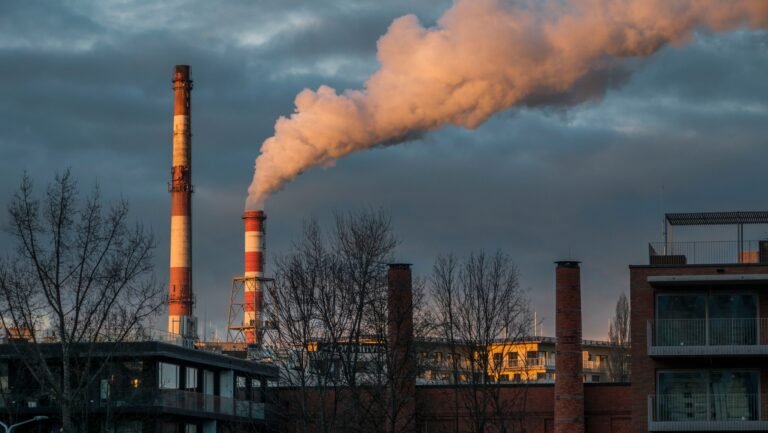
Most of us feel climate change through the weather. A heat wave that makes the pavement too hot to walk on, a river that spills into a town that never flooded before, a wildfire season that starts earlier and refuses to end. These events are not new, and no single storm can be blamed entirely on a warming planet. But the pattern is changing, and the evidence that humans are loading the dice has grown much stronger over the past two decades. This article explains how a hotter world produces more severe weather, what the major types of extreme events look like today, how scientists connect the dots, and what we can do to protect ourselves.
Weather Versus Climate
It helps to separate two ideas that often get mixed up. Weather is what happens outside today: rain, wind, a cold snap on Tuesday. Climate is the long-term pattern of weather in a region, usually measured over thirty years or more. A cold winter does not disprove warming, just as one hot summer does not prove it. What matters is the shift in averages and, more importantly, in extremes. Think of a baseball player on steroids. You cannot say any particular home run was caused by the drugs, but you can say the number of home runs has gone up. Climate change works much the same way.
Why a Warmer World Is a More Extreme One
The basic physics is not complicated. Warmer air holds more water vapor, roughly seven percent more for every degree Celsius, so when storms form they have more moisture to dump. Hotter land surfaces dry out faster, which feeds droughts and fires. Warmer oceans supply more energy to tropical storms. Changes in the jet stream and ocean currents can also make weather systems stall in place, turning a few bad days into a prolonged disaster. Put those ingredients together and you get a climate where the wet extremes are wetter, the dry extremes are drier, and the hot extremes are hotter.
Heat Waves
Of all extreme events, heat waves are the ones most clearly tied to climate change. They are already more frequent, longer, and more intense across most of the world. The 2021 heat dome over the Pacific Northwest of North America shattered records by wide margins, and a rapid study concluded it would have been virtually impossible without human-caused warming. Europe has seen summers that killed tens of thousands of people. Heat is a silent killer because it rarely makes dramatic headlines. It strains hearts and kidneys, it hits older adults and outdoor workers hardest, and humid heat is especially dangerous because sweat stops cooling the body effectively.
Heavy Rain and Flooding
When the atmosphere holds more water, downpours get heavier. Across many regions, the strongest rainfall events have grown in intensity, and that raises the risk of flash floods and river floods. Hurricane Harvey in 2017 dropped staggering amounts of rain on Texas, and studies suggest warming made that rainfall noticeably heavier. In 2022, monsoon floods in Pakistan left about a third of the country under water and affected tens of millions of people. Flooding is shaped by more than rain, of course. Paved surfaces, lost wetlands, and poorly maintained drainage all make things worse, which is why local planning matters just as much as global temperature.
Droughts
Drought is a slow-motion emergency. It creeps in as rainfall dwindles, but warming speeds it along by increasing evaporation from soils, lakes, and plants. Even where total rainfall stays similar, hotter conditions can make the land drier. The Mediterranean, southern Africa, parts of Australia, and the American Southwest have all faced serious dry spells. The Horn of Africa endured multiple failed rainy seasons in a row, pushing millions toward hunger. Drought also hurts rivers and reservoirs, cuts hydropower output, and shrinks crop yields. Because it unfolds gradually, it is easy to underestimate until water suddenly becomes scarce.
Wildfires
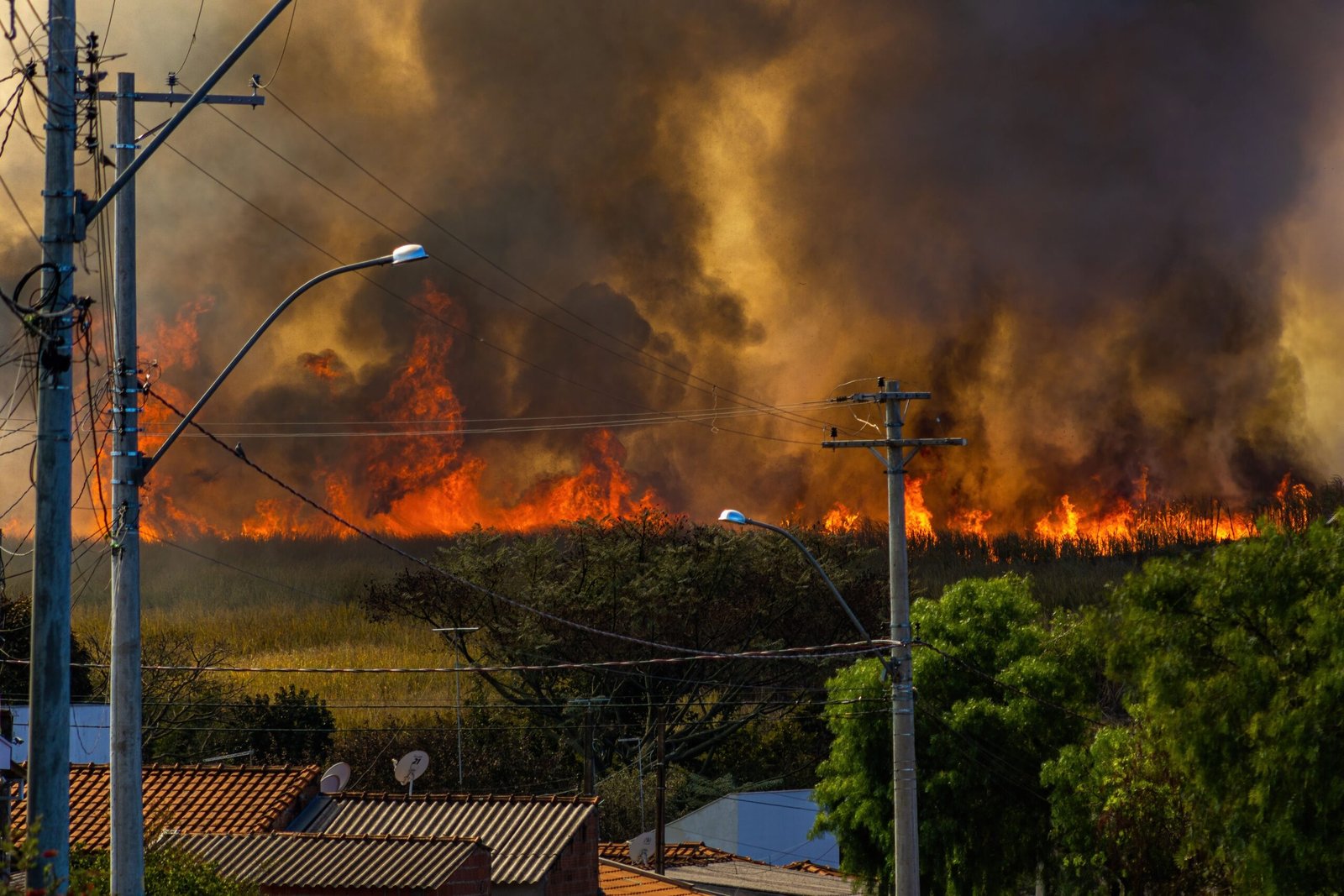
Wildfires need three things: fuel, dryness, and a spark. Climate change loads the first two. Hotter temperatures and earlier snowmelt dry out vegetation, lengthening fire seasons by weeks or even months in many regions. We have seen the results in the western United States, Canada, Australia, the Mediterranean, and Siberia. Canada’s 2023 fire season burned an area larger than many countries. Fire management history plays a role too, since decades of suppressing small fires let fuel build up. But the climate trend is pushing fires into places and seasons where they once were rare, and the smoke can drift across continents, harming the health of people thousands of miles away.
Hurricanes, Typhoons, and Cyclones
Scientists are careful here. Warming does not necessarily mean more tropical cyclones overall, but it does appear to make the strongest ones stronger. Warm ocean water is their fuel, and recent years have seen storms intensify with startling speed, jumping from modest to catastrophic in a day or so. That leaves communities less time to prepare. Storms are also becoming wetter, and they tend to move more slowly, lingering over one place and dumping rain. Meanwhile, higher sea levels give every storm surge a head start, so the same wind can push water further inland than it would have decades ago.
Winter Storms and the Cold Snap Puzzle
If the planet is warming, why do we still get brutal cold waves? It is a fair question. Winters are warming on average, and extreme cold events are becoming less frequent overall. Still, cold outbreaks can happen, and some research suggests that a rapidly warming Arctic may sometimes disturb the jet stream in ways that let frigid air spill south, though scientists continue to debate how strong that link is. Warmer air can also mean heavier snowfall when temperatures stay below freezing, since there is more moisture available. The takeaway is that a snowstorm is not a rebuttal of climate change. It is just weather doing what weather does.
How Scientists Connect Storms to Climate
A few years ago, the standard answer was that you could not blame any single event on climate change. That has changed with a field called attribution science. Researchers run climate models twice, once with today’s greenhouse gas levels and once in a world without human emissions, then compare how often an event like the one in question would occur. The results can be striking. Some heat waves become many times more likely, and some rainfall events measurably wetter. Groups like World Weather Attribution now publish findings within days of a disaster, helping the public and policymakers understand what role warming played while the story is still fresh.
The Human and Economic Toll
Extreme weather costs lives and money on a huge scale. Global economic losses from weather-related disasters have climbed to hundreds of billions of dollars a year, and the real figure is higher once you count unpriced harms like lost schooling, trauma, and displacement. Insurers are retreating from some high-risk regions, leaving homeowners with fewer options or soaring premiums. Supply chains snap when factories flood or ports close. Growth in population and property in vulnerable places also pushes costs up, so not every rise in damage is due to climate. Even so, the trend of more intense hazards is raising the bill.
Who Bears the Burden
Extreme weather does not hit everyone equally. Wealthy communities can afford stronger buildings, air conditioning, flood defenses, and insurance. Poorer communities often live in the most exposed places, such as floodplains, informal settlements, and coastlines, with the fewest resources to recover. After a disaster, the gap can widen, as families lose homes, jobs, and savings that took years to build. Countries with low emissions often face some of the harshest impacts, a fact that fuels the debate over climate justice. Within any city, the hottest and most flood-prone neighborhoods tend to be the ones with less tree cover and less political clout.
Early Warning and Adaptation
The good news is that we are not helpless. Early warning systems save lives at a relatively low cost, and a United Nations initiative aims to cover everyone on Earth with such systems. Cities can plant trees, build cool roofs, create green space that soaks up floodwater, and set up cooling centers and heat action plans. Coastal regions can restore mangroves and marshes, strengthen building codes, and move critical infrastructure out of harm’s way. Farmers can switch to drought-tolerant crops and smarter irrigation. Adaptation will not stop climate change, but it can sharply reduce the damage from the extremes we are already locked into.
Cutting Emissions and Looking Ahead
Adaptation has limits, which is why cutting emissions remains essential. Every additional increment of warming raises the odds and severity of extreme events, and the sharpest changes come at higher temperature levels. Shifting to clean electricity, electrifying transport and heating, protecting forests, and cutting methane leaks are the main routes. The tools exist, and the costs of clean technology keep falling. What remains uncertain is how quickly societies will use them. The weather of the next few decades will depend heavily on the choices we make now, and that is a surprisingly hopeful way to look at it.
About the Author