Introduction
Most of us only think about waste for the few seconds it takes to toss something in a bin. After that, it becomes someone else’s problem. But that apple core, shipping box, or broken phone has a long journey ahead of it, and where it ends up shapes the health of entire communities. Handled well, waste can be turned into compost, energy, and raw materials for new products. Handled badly, it clogs drains, poisons water, attracts disease, and releases greenhouse gases. Waste management is one of the least glamorous parts of modern life and one of the most important. This article looks at the size of the challenge, the main methods we use, and the changes that could make our systems cleaner, fairer, and more sustainable.
The Scale of the Waste Problem
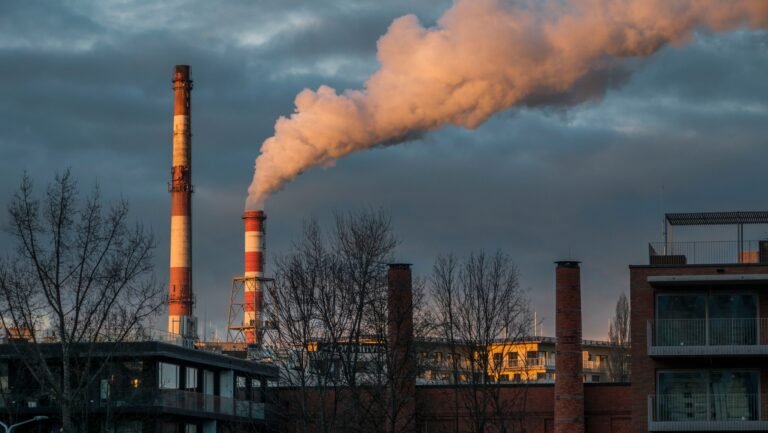
The numbers are staggering. According to World Bank estimates, the world produces around two billion tonnes of municipal solid waste every year, and that figure is projected to climb to roughly three and a half billion tonnes by 2050 if current trends hold. Wealthy countries generate far more per person, but waste is growing fastest in rapidly urbanizing regions. At least a third of it is not managed in an environmentally safe way, which means it is dumped, burned in the open, or left to pile up in streets and waterways. Food waste alone amounts to more than a billion tonnes a year. Behind each statistic is a community living with smoke, smell, and risk.
Types of Waste
Not all waste is the same, and handling it properly begins with knowing what you have. Municipal waste is what households and small businesses throw away, including food scraps, paper, plastic, glass, metal, and textiles. Industrial waste comes from factories and mines, and can include large volumes of byproducts. Construction and demolition debris adds bulky material like concrete and wood. Agricultural waste covers crop residues and manure. Then there is hazardous waste, which includes chemicals, batteries, medical waste, and some electronics, all of which require special care. Each category calls for different collection, treatment, and disposal methods, and mixing them can turn a manageable problem into a dangerous one.
The Waste Hierarchy
Experts often describe good waste management as an upside-down pyramid called the waste hierarchy. At the top, and the most preferred, is prevention: not creating waste in the first place. Next comes reuse, then recycling, then recovery of energy, and finally, at the bottom, disposal in landfills. The idea is simple. The best waste is the waste that never exists, and every step down the ladder usually means more resources lost and more environmental harm. In reality, systems often rely too heavily on the bottom rungs, because disposal is cheap and visible while prevention is diffuse. Moving up the ladder takes planning, incentives, and design choices that start long before something becomes trash.
Collection and Sorting
Everything starts with getting waste off the street. In many wealthy cities, collection is a routine, with trucks picking up bins on schedule, but in large parts of the world, a significant portion of urban residents lack regular service. Where collection is poor, waste ends up in drains, which worsens flooding, and in open burning, which pollutes the air. Sorting makes the rest of the system work. When households separate food scraps, recyclables, and general waste, each stream stays cleaner and more valuable. Clear labels, convenient bins, and consistent rules help people get it right. Many places also use sorting facilities with machines and workers to separate materials. Good collection is the foundation on which everything else rests.
Landfills and Their Problems
Landfills are the most common destination for waste, and they come in very different qualities. A well-designed sanitary landfill has liners to keep contamination out of the soil, systems to collect and treat the liquid that drains from the waste, and gas collection to capture methane. Open dumps have none of that. About a third or more of the world’s waste still ends up in dumps, where it contaminates groundwater, attracts pests, and sometimes catches fire. Even good landfills have downsides. As food and paper rot without oxygen, they release methane, a potent greenhouse gas. They also consume land and often face local opposition. Landfills will not disappear, but sending less to them is the goal.
Recycling: What Works and What Doesn’t
Recycling is popular, and for good reason, but it works better for some materials than others. Metals like aluminum and steel are highly recyclable, and recycling aluminum saves most of the energy needed to make it from raw ore. Paper, cardboard, and glass are also widely recycled. Plastic is a tougher story. There are many types, they are often mixed, and a large share is never recycled. Contamination is a persistent problem, as a greasy pizza box or the wrong item in a recycling bin can spoil a whole batch. Recycling also needs markets, since collected materials must be sold to manufacturers. For recycling to succeed, products must be designed for it, and people must follow the rules.
Composting and Organic Waste
Food and garden waste make up a large share of what we throw away, and they are among the easiest to deal with. Composting turns scraps into a rich soil improver, closing the loop between food and farming. Anaerobic digestion goes further, breaking down organic waste in sealed tanks to produce biogas, which can generate heat and electricity, along with a nutrient-rich residue. Diverting organics from landfills cuts methane emissions and extends landfill life. Cities from San Francisco to Seoul have rolled out food waste collection with striking results. Reducing food waste in the first place is even better, whether by planning meals, storing food properly, or helping retailers redistribute surplus to people who need it.
Waste-to-Energy and Incineration
Burning waste in modern facilities can reduce its volume by around ninety percent and generate electricity or heat. Countries with limited land, like Japan and Sweden, rely heavily on this approach. Modern plants use filters and scrubbers to control pollutants, though older ones had poor records, and critics still worry about emissions and toxic ash. There is also a deeper debate. If incinerators need a steady supply of waste to be profitable, they may discourage recycling and prevention. Many experts see waste-to-energy as a reasonable option for materials that cannot be reused or recycled, but not as a replacement for the higher steps on the hierarchy. Open burning, by contrast, is never acceptable.
Hazardous and Electronic Waste
Some waste demands special handling. Batteries contain heavy metals and can start fires, medical waste can carry infection, and chemicals such as solvents and pesticides can poison water and soil. Electronic waste is the fastest-growing stream, and the United Nations estimated that the world generated around 62 million tonnes in 2022, with less than a quarter formally recycled. Old phones and laptops contain valuable metals like gold and copper, but also toxic substances. When they are shipped abroad and dismantled informally, workers and communities can be exposed to lead and fumes from burning cables. Proper collection, take-back schemes, and repair-friendly design can keep these materials safe and in circulation.
Informal Workers and Social Justice
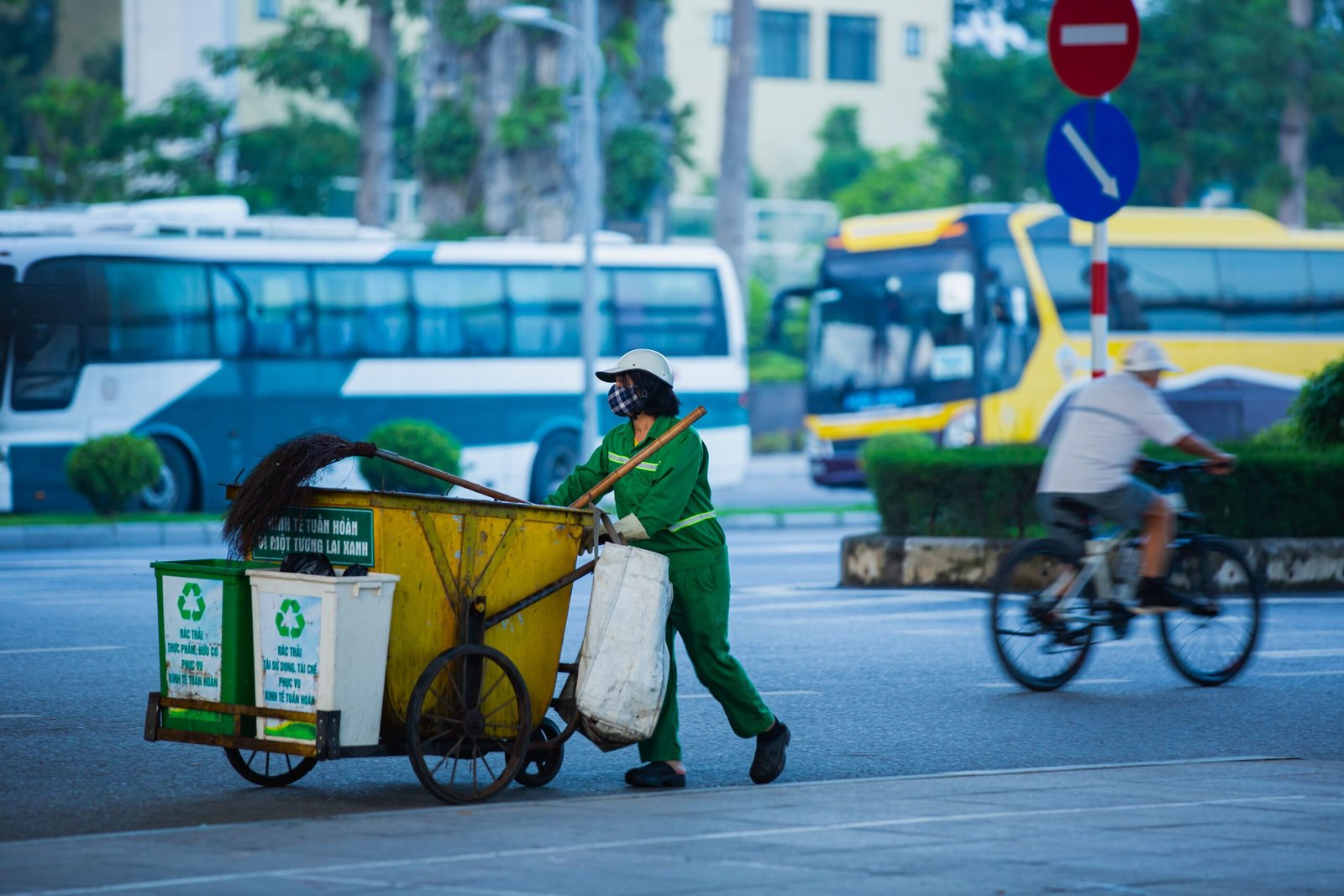
In many countries, the unsung heroes of waste management are informal waste pickers, millions of people who collect, sort, and sell recyclable materials, often with little pay or protection. They recover a substantial share of recyclables in some cities, saving municipalities money and reducing pollution, yet they frequently face stigma, unsafe conditions, and lack of legal recognition. Some places, such as parts of Brazil and Colombia, have formalized their role through cooperatives and contracts, with better incomes and dignity as a result. Environmental justice matters on the other side, too. Landfills, incinerators, and dumps are often sited near poorer communities, which bear the health burdens. A fair system includes both groups.
Policy and the Circular Economy
Governments shape waste systems through rules and incentives. Landfill taxes make disposal more expensive, pay-as-you-throw pricing rewards people who produce less, and bans on certain items, like some single-use plastics, cut waste at the source. Extended producer responsibility makes manufacturers pay for the collection and recycling of their products, giving them a reason to design for durability and recyclability. Deposit return schemes for bottles and cans achieve very high recovery rates in countries like Germany. Behind these tools lies the idea of a circular economy, where products are designed to last, be repaired, and be recovered, so that materials flow in loops rather than ending up as rubbish. Strong enforcement and clear data keep it all honest.
What Communities and Individuals Can DoPersonal choices will not fix a global problem on their own, but they do add up, and they influence what businesses and governments do. Start by reducing: buy only what you need, choose durable items, and avoid unnecessary packaging. Reuse and repair before replacing. Learn your local recycling rules and follow them, since clean, sorted materials are worth more. Compost food scraps where you can, and plan meals to cut waste. Dispose of batteries, electronics, and chemicals at proper drop-off points. At the community level, support cleanup events, repair cafes, and swap shops, and speak up for better services. A cleaner, healthier world is built one bin, one neighborhood, and one decision at a time.
About the Author