Introduction
Climate change stopped being a distant forecast a while ago. It shows up in the news as record heat, in insurance bills as rising premiums, and in farmers’ fields as seasons that no longer behave. The core idea is simple: human activity has pumped enough heat-trapping gases into the atmosphere to warm the planet, and that warming is reshaping weather, oceans, ecosystems, and economies. The details are where it gets complicated, and where most of the useful action lives. This article walks through what is driving the change, what it is already doing, and the solutions actually on the table. It is not a story of doom, and it is not a story of easy fixes. It is a story about choices.
How the Greenhouse Effect Works
The sun warms the Earth, and the Earth sends some of that energy back toward space as heat. Certain gases in the atmosphere, mainly carbon dioxide, methane, nitrous oxide, and water vapor, absorb part of that outgoing heat and radiate it back down. Think of it as a blanket. Without it, the planet would be a frozen place averaging around minus 18 degrees Celsius. With it, we get a livable world. The trouble starts when the blanket gets thicker. Add more of these gases and more heat stays trapped near the surface. The physics here has been understood since the nineteenth century, long before anyone had a computer model to argue about.
A Climate That Has Always Changed
A common objection is that the climate has always changed, and that is true. Ice ages came and went over hundreds of thousands of years, driven by slow wobbles in Earth’s orbit, volcanic activity, and shifts in ocean currents. But those changes unfolded over millennia. What we are seeing now is happening within a human lifetime. Scientists can tell the difference by looking at fingerprints: the extra carbon in the air carries a chemical signature that points to fossil fuels, the upper atmosphere is cooling while the lower atmosphere warms, and the sun’s output has been flat or slightly down. Natural causes simply cannot explain the pattern.
Fossil Fuels: The Main Driver
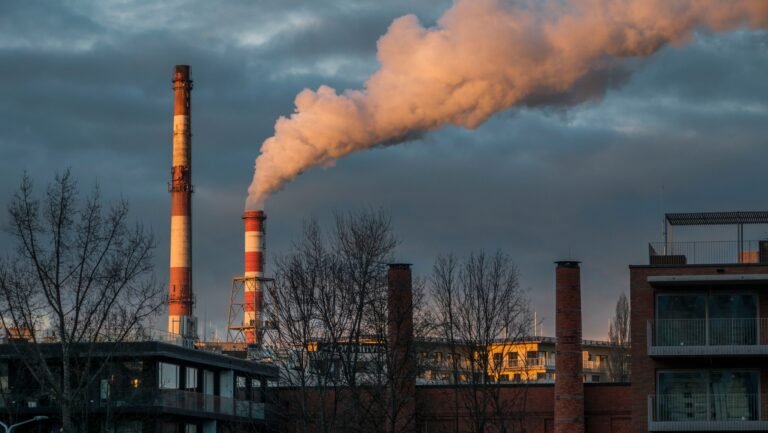
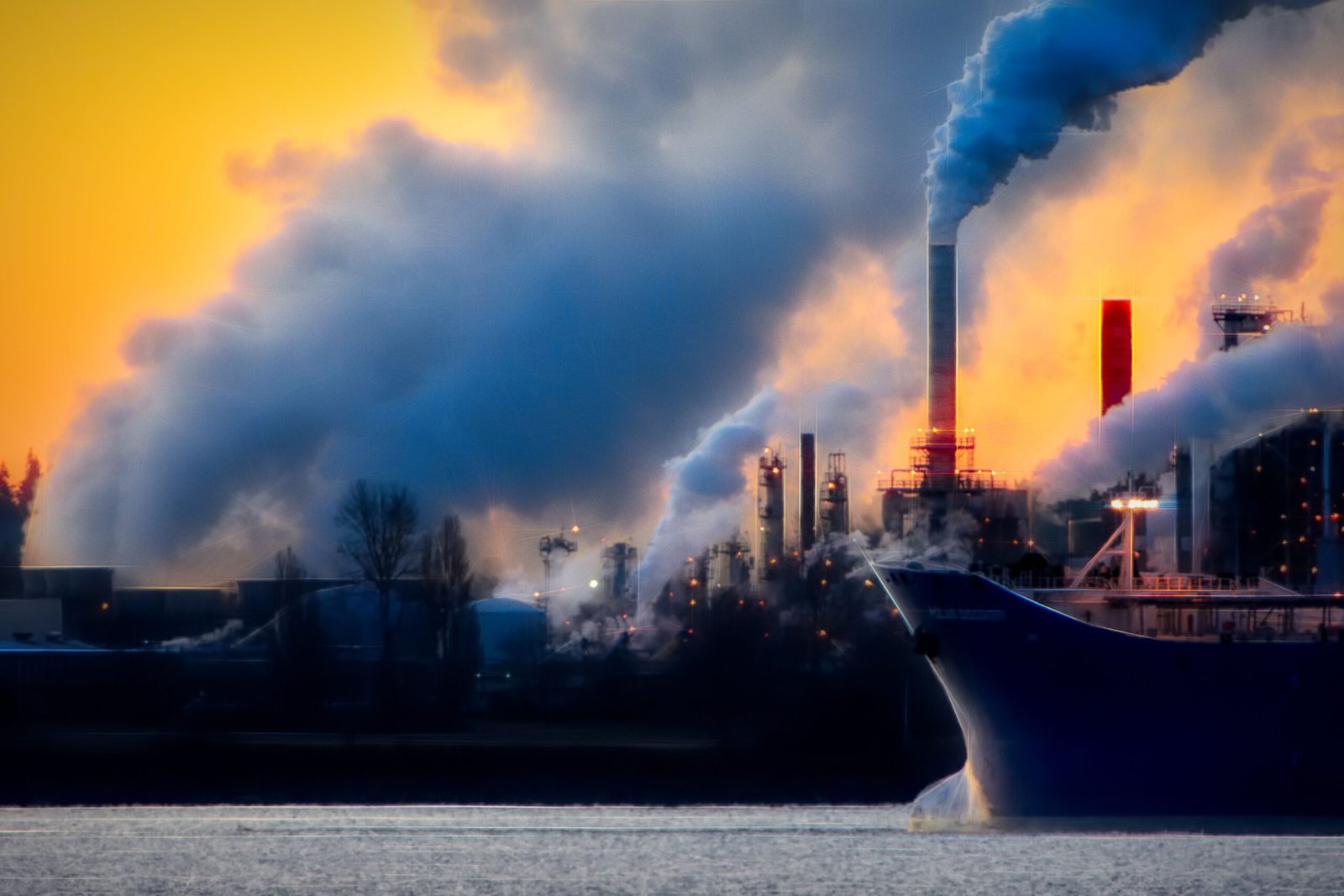
Burning coal, oil, and natural gas is the biggest single cause of warming. These fuels are made of carbon that spent millions of years locked underground, and when we burn them for electricity, heating, and transport, that carbon goes into the air as carbon dioxide. Fossil fuels account for roughly three quarters of global greenhouse gas emissions. Power plants are the largest source, followed by transport, industry, and buildings. Carbon dioxide also lingers. A good chunk of what we emit today will still be warming the planet a century from now, which is why the total amount we put up there matters as much as the yearly rate.
Deforestation and Land Use
Forests are carbon banks. Trees pull carbon dioxide out of the air as they grow and store it in wood and soil. When forests are cleared for cattle, soy, palm oil, or timber, that stored carbon is released, often through burning, and the planet loses a natural brake on warming at the same time. Tropical deforestation alone contributes a meaningful share of annual emissions. Land use matters beyond forests, too. Draining peatlands, plowing up grasslands, and degrading soils all release carbon that had been safely stored. Protecting what is already standing is one of the cheapest and fastest ways to keep emissions down.
Agriculture, Industry, and Waste
Food systems are a bigger part of the problem than most people realize. Cattle and rice paddies produce methane, a gas that traps far more heat than carbon dioxide over the short term, though it breaks down faster. Fertilizers release nitrous oxide, another potent gas. Industry adds its own load. Cement and steel production require enormous heat and also release carbon through the chemical reactions themselves, which makes them hard to clean up. Landfills add more methane as organic waste rots without oxygen. None of these sectors can be ignored, because even if electricity went fully clean tomorrow, these sources would keep the problem alive.
What the Numbers Say
The global average temperature is now about 1.2 to 1.3 degrees Celsius above the preindustrial level, and 2024 was the first calendar year to exceed 1.5 degrees by some major measurements. Carbon dioxide in the atmosphere has climbed past 420 parts per million, up from about 280 before the Industrial Revolution. A degree or two may sound trivial, but it is an average across the entire planet, oceans included. Small shifts in that average translate into large changes in extremes, the way a slightly higher baseline makes record-breaking highs far more common. Every tenth of a degree carries real consequences.
Rising Temperatures and Extreme Heat
Heat is the most direct effect, and it is getting deadly. Heat waves are longer, hotter, and more frequent than they were a few decades ago, and nights are not cooling off the way they used to, which denies the body a chance to recover. Cities amplify the problem because pavement and concrete hold heat. Outdoor workers, older adults, and people without air conditioning face the highest risk. Heat also strains power grids just when demand peaks, and it cuts labor productivity in hot regions. Some places are edging toward conditions where being outdoors for long periods becomes dangerous even for healthy people.
Stronger Storms, Floods, and Droughts
A warmer atmosphere holds more moisture, roughly seven percent more for each degree Celsius. That loads the dice toward heavier downpours and worse flooding. Warmer ocean water also feeds hurricanes and typhoons, making the strongest ones more intense and often wetter. At the same time, higher temperatures dry out soils faster, so droughts bite harder and last longer. Wildfire seasons stretch out as forests turn into tinder. It can feel contradictory to have more floods and more droughts at once, but both come from the same shift: a hotter atmosphere moves water around more violently. Individual events have many causes, yet the overall trend is clear.
Melting Ice and Rising Seas
Glaciers and ice sheets are shrinking on nearly every continent. Greenland and Antarctica together hold enough ice to raise the oceans by many meters, and both are losing mass. Global sea level has risen about 20 centimeters since 1900, and the pace is speeding up. Part of that comes from meltwater, and part from the simple fact that warm water expands. For coastal cities and low-lying island nations, even modest increases mean more frequent flooding, saltwater creeping into farmland and drinking supplies, and stronger storm surges. Hundreds of millions of people live close to the sea, so this is a slow-moving problem with very large stakes.
Ecosystems Under Pressure
Plants and animals are moving toward the poles and up mountainsides to escape the heat, but not every species can keep pace, and many have nowhere left to go. Coral reefs are a painful example. When oceans overheat, corals expel the algae that feed them and turn white, and repeated bleaching events have killed large stretches of reef. Oceans are also absorbing a lot of the extra carbon dioxide, which makes seawater more acidic and harder on shellfish and other organisms that build shells. Timing is going wrong, too, as flowers bloom before pollinators arrive. Biodiversity loss and climate change reinforce each other.
Human Health, Food, and Water
The human toll goes well beyond heat stroke. Wildfire smoke worsens asthma and heart disease. Warmer, wetter conditions let mosquitoes and ticks spread diseases into new regions. Floods contaminate water supplies, and droughts shrink them. Crop yields are shifting too: some northern areas may gain, but many already hot regions face lower harvests of staples like wheat, maize, and rice. Fisheries are moving as the oceans warm. Food prices can jump when a major growing region has a bad year, and the effects ripple around the world. Climate change acts as a threat multiplier, turning existing weaknesses into crises.
Who Is Hit Hardest
There is a hard irony at the center of this issue. The communities that have contributed least to global emissions often face the worst consequences. Small island states, drought-prone parts of Africa, and densely populated river deltas in South Asia are all on the front lines, and they usually have the fewest resources to adapt. Within wealthy countries, low-income neighborhoods tend to have less tree cover, hotter streets, and weaker protection from floods.
About the Author