Introduction
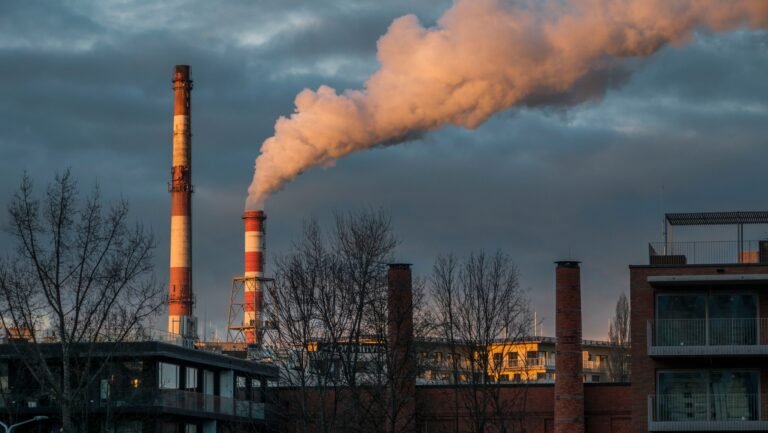
Forests are easy to take for granted. They are just there, green and quiet, at the edge of a farm or across a mountain range. But they are working harder than almost any other ecosystem on Earth. They store carbon, make rain, shelter most of the planet’s land-dwelling species, and support the livelihoods of well over a billion people. When a forest is cleared, those services do not simply pause. Many of them vanish, sometimes for good. Deforestation is one of the great environmental stories of our time, and it is not a simple one, because the same land that forests occupy is also wanted for food, fuel, and homes. This article looks at why forests disappear, what that costs, and how we can protect what remains.
What Is Deforestation?
Deforestation means the permanent conversion of forest to some other use, like cropland, pasture, mines, or towns. It is different from a forest that is logged and then allowed to regrow, although the line can blur. A related problem is forest degradation, where trees remain but the forest is thinned, fragmented, or damaged by selective logging, fire, or overharvesting. Degraded forests hold less carbon and fewer species, and they are more likely to burn. Scientists track both using satellite imagery, which has transformed our ability to see forest loss almost in real time. That visibility has made it much harder to claim that nobody knows where the trees are going.
The Scale of Forest Loss
Forests still cover roughly thirty percent of the world’s land, but that figure hides a long history of loss. According to the Food and Agriculture Organization of the United Nations, the world has lost around 420 million hectares of forest since 1990, an area larger than the European Union. The rate of deforestation has slowed from the peak of the 1990s, which is encouraging, yet it remains stubbornly high, mostly in the tropics. Recent years have also seen record-breaking losses of tropical primary forest, driven in part by fire during hot, dry conditions. Primary forests, the old and undisturbed ones, are especially precious, because they take centuries to rebuild and cannot be replaced by planting new trees.
Agriculture: The Biggest Driver
By a wide margin, farming is the leading cause of forest loss, responsible for the large majority of deforestation worldwide. Cattle ranching is the single biggest culprit in places like the Brazilian Amazon, where forest is cleared to make pasture. Soy, much of which is grown for animal feed, is another major driver in South America. In Southeast Asia, oil palm plantations have replaced huge stretches of rainforest, particularly in Indonesia and Malaysia. Cocoa, coffee, rubber, and rice also play roles, and in parts of Africa, small-scale farmers clear land for food and charcoal. Global demand matters, since a good share of the crops and beef from cleared land are exported to consumers far away.
Logging and Timber
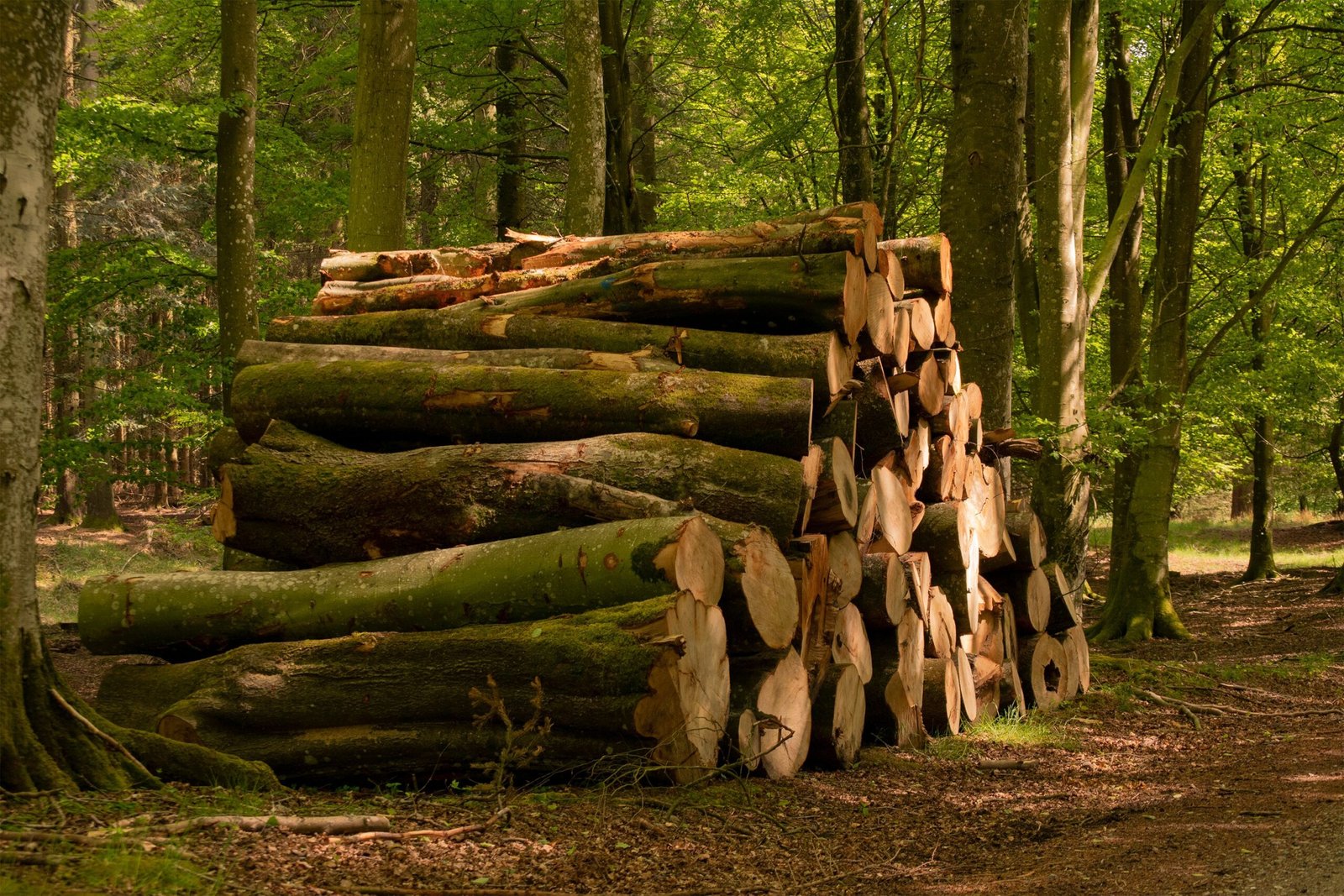
Cutting trees for wood and paper is the next major pressure. Legal, well-managed logging can be sustainable when only some trees are taken and the forest is left to recover. Illegal logging is another matter. It strips valuable species, damages the surrounding forest, undermines honest businesses, and often comes with corruption and violence. The roads built to haul out timber open up remote areas to settlers, hunters, and farmers, which can set off a chain reaction of clearing. Demand for furniture, flooring, and packaging all feeds the system. Certification schemes try to separate responsible suppliers from the rest, but tracing a plank or a sheet of paper back to its source is a notoriously tricky business.
Mining, Infrastructure, and Urban Growth
Not all forest loss is about farms and sawmills. Mining for gold, iron ore, bauxite, and other minerals can strip forest directly and pollute rivers with mercury and sediment. Dams flood vast areas, and new highways, railways, and power lines slice through wild country, fragmenting habitats. Growing cities and suburbs also spread into forested land, especially around fast-expanding urban centers in Asia and Africa. Individually these might look small compared with agriculture, but their impact is often larger than their footprint, since they open the door to other uses. A single new road can be the first step in turning an intact forest into a patchwork of fields.
Fire and Forest Degradation
Fire is both a tool and a threat. Many farmers use burning to clear land cheaply, and these fires can easily escape into surrounding forest, especially in dry years. Climate change makes this worse, as droughts and heat dry out forests that are normally too damp to burn. Once a rainforest burns, it becomes more susceptible to burning again, a vicious cycle. Other forms of degradation creep in quietly. Selective logging leaves gaps, hunting empties the forest of seed-dispersing animals, and fragmentation exposes forest edges to wind and heat. A forest might look intact from the air yet be a shadow of its former self on the ground.
Poverty, Markets, and Weak Governance
Behind the bulldozers are deeper forces. Many people who clear forest are poor farmers seeking land to feed their families, sometimes pushed by lack of options elsewhere. Large-scale clearing, on the other hand, is typically driven by profit, with global commodity prices, cheap land, and lax enforcement making it attractive. Unclear land rights are a persistent problem, because when nobody secures a legal claim, forest can be treated as free for the taking. Corruption, weak monitoring, and subsidies for agriculture or fuel tilt the playing field further. Understanding these root causes matters, because simply telling people not to cut trees without offering alternatives rarely works.
Loss of Biodiversity
Forests are home to the majority of terrestrial species, including most of the world’s amphibians, birds, and mammals. Tropical rainforests are especially rich, packing an astonishing diversity of life into a small area, and many species exist nowhere else. When forests are cleared or chopped into fragments, populations shrink, food webs unravel, and species can disappear before scientists even know they exist. Orangutans, jaguars, forest elephants, and countless birds and insects have all lost ground. Biodiversity is not just a matter of beauty. Diverse forests are healthier, more productive, and better at bouncing back from disturbances. Losing species weakens the ecosystem’s ability to keep functioning.
Deforestation and Climate Change
Trees are carbon storage tanks. Forests hold hundreds of billions of tonnes of carbon in their trunks, roots, leaves, and soils, and cutting or burning them releases that carbon as carbon dioxide. Deforestation and related land-use change account for roughly ten percent of global greenhouse gas emissions. There is a double effect, too, since a cleared forest can no longer absorb carbon from the air. Forests that remain standing continue to take up a significant share of human emissions each year, and keeping them intact is one of the cheapest and quickest climate solutions available. Protecting forests is not a distraction from climate action. It is a core piece of it.
Soil, Water, and Local Climate
Forests regulate water and protect soil. Their roots hold the ground together, and the canopy slows heavy rain so it soaks in rather than rushing off. Strip away the trees, and erosion can carry fertile topsoil into rivers, silting up reservoirs and harming fisheries. Landslides and floods become more likely on cleared slopes. Forests also recycle moisture into the air through transpiration, helping to generate rainfall. In the Amazon, scientists worry that widespread clearing could weaken this cycle and push parts of the forest toward a drier, savanna-like state. Locally, cleared land is hotter and drier than shaded forest, which can hurt nearby farms that once benefited from the forest’s cooling influence.
Impacts on People and Indigenous Communities
Around 1.6 billion people rely on forests for food, fuel, medicine, and income. For Indigenous peoples and local communities, forests are also home, heritage, and identity. When forests are cleared without their consent, these communities lose resources and cultural ties, and often face threats from illegal loggers and land grabbers. The evidence suggests that forests managed by Indigenous peoples often have lower deforestation rates than comparable lands, partly because of strong stewardship traditions and secure territory. Recognizing land rights is therefore not just a matter of justice, but one of the more effective conservation strategies we have. Clearing forests can also expose people to new diseases as humans and wildlife come into closer contact.
Economic Consequences
Clearing a forest can bring quick profits, but it often means trading long-term value for short-term gain. Forests provide timber, nuts, fruits, rubber, and medicinal plants, and they support tourism and carbon markets. They also deliver free services such as water filtration, flood control, and pollination that would cost fortunes to replace with human-made systems. Soil exposed after clearing, especially in the tropics, is often poor, and many pastures and fields lose productivity within a few years, leading to more clearing in a cycle of abandonment. The economic case for standing forests is strong when all benefits are counted, but those benefits are spread widely, while the profits from clearing go to a few.
Conservation and Protection
The most effective approach is simply to keep forests standing. Protected areas, including national parks and reserves, help when they are properly funded and enforced. Strong laws, satellite monitoring, and penalties for illegal clearing can have a dramatic effect. Brazil cut deforestation in the Amazon by around eighty percent between 2004 and 2012 through a mix of enforcement, protected lands, and supply-chain pressure, though rates later rose again under weaker policies, which shows how political commitment matters. Many companies have pledged to remove deforestation from their supply chains, and new regulations in some markets aim to keep deforestation-linked products out. Paying communities and countries to protect forests is another tool.
Restoration and Sustainable Management
Where forests have been lost, restoration can help bring back some of their value. That includes planting trees, but also letting natural regeneration take place, which is often cheaper and more effective. Restoration works best when it uses native species, involves local people, and avoids replacing diverse ecosystems with tree monocultures. Large planting campaigns, such as Pakistan’s Billion Tree Tsunami, have drawn both praise and scrutiny over how many trees survive and how well they are tended. Sustainable forestry and agroforestry, which blends trees with crops, can give people livelihoods without clearing more land. Raising yields on existing farmland and reducing food waste can also relieve the pressure to expand.
What Individuals Can Do
Most of us are linked to forests through what we eat, buy, and use. Cutting down on beef, choosing products with credible sustainability certification, and avoiding items tied to forest clearing can all help. Wasting less paper and food, buying second-hand wood and furniture, and using recycled paper reduces demand. Supporting organizations that protect forests and secure land rights, and asking companies about their supply chains, adds weight to the cause. Planting native trees locally is valuable too, especially when you look after them. Forests took thousands of years to grow, and we can lose them in a few decades. We can also decide, right now, to keep them.
About the Author