Introduction
There is a strange kind of silence in places where wildlife used to be. Fewer birds at dawn, fewer insects splattering on a windshield, rivers without the fish that older residents remember. These changes creep up gradually, which is why they are so easy to miss, and why scientists are alarmed. Life on Earth is disappearing faster than at any time in human history, and the causes trace back to us. Biodiversity is not a luxury or a hobby for nature lovers. It is the foundation that supports our food, water, medicine, and stability. This article explores what biodiversity is, why it is declining, and what it will take to turn the trend around.
What Is Biodiversity?
Biodiversity is short for biological diversity, the variety of life in all its forms. It is usually described at three levels. Genetic diversity is the variation within a species, such as the different traits in a population of wheat or wolves. Species diversity is the number and variety of species in an area. Ecosystem diversity covers the range of habitats, from coral reefs and wetlands to deserts and rainforests. Scientists have described roughly two million species, yet estimates suggest there may be around eight million, with the vast majority being insects, fungi, and microbes that remain unknown. We are, in other words, losing species we have never even met.
Why Biodiversity Matters
The simplest answer is that we depend on it. Healthy ecosystems purify water, pollinate crops, regulate floods, build soil, and absorb carbon. Many medicines, including some of the most important drugs in use, originated from plants, fungi, and animals. Diversity also provides resilience. A forest with many species can handle drought, pests, and disease better than a monoculture, much like a diversified investment portfolio handles market swings. Over half of the world’s economic output is moderately or highly dependent on nature, according to analyses by the World Economic Forum. When biodiversity falls, we lose the natural insurance that quietly protects our health, food supply, and economies.
The Current Extinction Crisis
Extinction is a natural process, but the present rate is anything but natural. A major 2019 assessment by the intergovernmental science panel on biodiversity, known as IPBES, concluded that around one million species face extinction, many within decades. Current extinction rates are estimated to be tens to hundreds of times higher than the average over the past ten million years. The World Wildlife Fund’s Living Planet Report 2024 found that monitored wildlife populations have shrunk by an average of 73 percent since 1970, with freshwater species hit hardest. These figures come with uncertainty, and averages hide variety, but the overall direction is unmistakable. Many scientists describe this as the sixth mass extinction.
Habitat Loss and Fragmentation
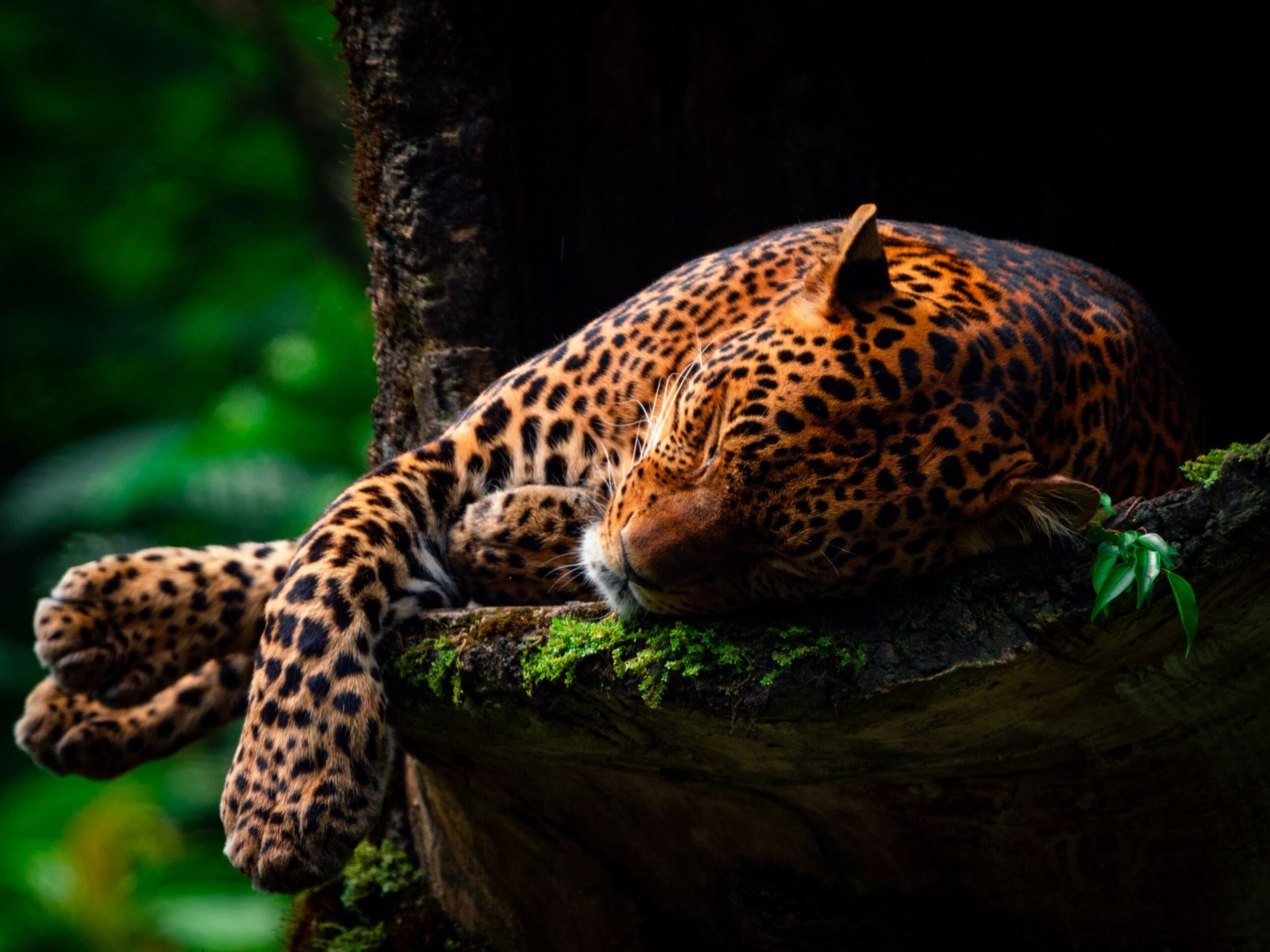
The biggest single cause of biodiversity loss is the destruction of places where wildlife lives. Roughly three quarters of the land surface has been significantly altered by human activity. Forests have been cleared for farms, wetlands drained, grasslands plowed, and coastlines paved over. Even where habitat remains, it is often broken into fragments by roads, fences, and cities. Small, isolated patches support fewer species and make it hard for animals to find mates or migrate. A tiger or an elephant needs room to roam, and a highway can be as deadly as a hunter. Protecting large, connected landscapes is among the most important things we can do.
Hunting, Fishing, and the Wildlife Trade
Humans have long harvested wild species, but modern technology and global markets have pushed many past their limits. Overfishing has emptied large parts of the ocean, with more than a third of assessed fish stocks fished at unsustainable levels. On land, hunting for meat, trophies, and traditional medicine has driven declines in elephants, rhinos, tigers, and primates. The illegal wildlife trade is a lucrative business, worth billions of dollars a year, and it touches everything from rare orchids to reptiles. Pangolins, covered in scales that are prized in some markets, are widely described as the most trafficked mammals on the planet. Demand reduction, enforcement, and support for local communities all matter in tackling this trade.
Invasive Species
When people move species around the globe, intentionally or by accident, some of them thrive in their new homes and wreak havoc. Rats, cats, and snakes introduced to islands have wiped out native birds and reptiles that evolved without predators. Zebra mussels clog waterways, and aggressive plants smother local flora. According to a 2023 IPBES report, invasive alien species were a factor in the majority of documented plant and animal extinctions where cause was known, and they cost the global economy hundreds of billions of dollars a year. Islands and freshwater systems are especially vulnerable. Prevention, through better biosecurity at ports and borders, is far cheaper and more effective than trying to eradicate invaders after they have established.
Pollution and Biodiversity
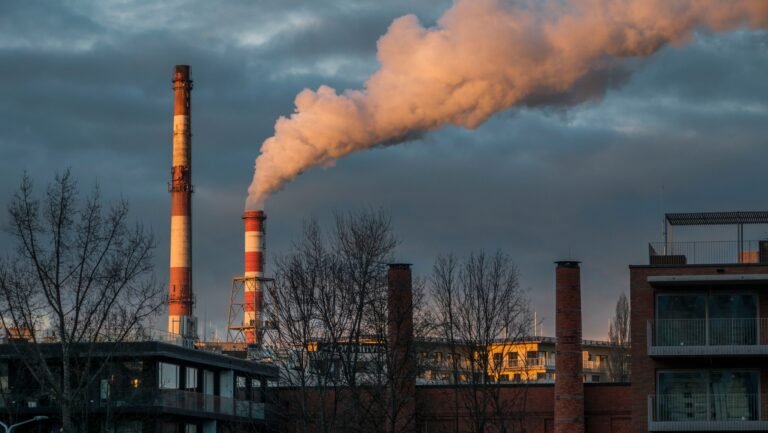
Pollution harms wildlife in countless ways. Pesticides can kill insects and poison the birds and fish that eat them. Fertilizer runoff triggers algal blooms and dead zones in lakes and coastal waters. Plastic entangles and chokes animals, and chemicals like mercury and PCBs build up through the food chain. Noise from ships can disrupt whales, and light pollution confuses migrating birds and newly hatched sea turtles. Oil spills coat shorelines. Because many pollutants are invisible, their effects can go unnoticed until populations crash. The classic example is DDT, a pesticide that thinned eagle eggshells until the bird nearly vanished from large parts of North America, before a ban allowed recovery.
Climate Change as a Threat Multiplier
Climate change does not operate alone, it intensifies existing pressures. Warming shifts the ranges of species, upsets seasonal timing, and bleaches coral reefs. Droughts, fires, and extreme storms damage habitats, and rising seas swallow coastal ecosystems. Animals in fragmented landscapes may be unable to move to cooler areas, and those living on mountaintops or islands have nowhere left to go. Research suggests that the share of species at risk of extinction rises steeply with each increment of warming. At the same time, losing biodiversity weakens nature’s ability to absorb carbon and buffer climate impacts. The two crises are bound together, and solving one without the other will not work.
Insects, Pollinators, and the Quiet Collapse
Insects rarely get the attention that pandas and tigers do, but they are the foundation of food webs and ecosystems. Roughly three quarters of the leading food crops depend at least in part on animal pollination, including coffee, cocoa, almonds, and many fruits. Studies from parts of Europe and North America have documented dramatic drops in insect numbers, though trends vary by region and are still being researched. Causes include habitat loss, pesticides, disease, and climate change. Losing insects ripples upward, since birds, bats, amphibians, and fish rely on them as food. Simple actions like leaving wild corners, planting native flowers, and cutting back on pesticides can make a real difference.
Marine Biodiversity
The ocean covers most of the planet and holds an astonishing range of life, from microscopic plankton to blue whales. It is also under mounting strain. Overfishing, bottom trawling, pollution, warming, and acidification are damaging reefs, kelp forests, mangroves, and seagrass beds. Coral reefs, which support about a quarter of marine species, are particularly vulnerable to heat waves. Sharks and rays have declined sharply in many areas, and removing top predators can ripple through the food web. Marine protected areas can help fish populations rebound and spill over into neighboring waters, provided they are properly enforced. Only a small percentage of the ocean is currently strictly protected, leaving plenty of room for improvement.
Ecosystem Services and Human Wellbeing
Scientists use the term ecosystem services to describe the benefits nature provides to people. Mangroves shield coastlines from storm surges, wetlands filter pollutants, forests regulate water supplies, and bees pollinate crops. Replacing these services with technology is often costly or simply impossible. New York City famously invested in protecting its upstate watershed rather than building an expensive filtration plant, saving billions. Biodiversity also supports mental and physical health, as spending time in green spaces is linked to lower stress and better wellbeing. When ecosystems degrade, the people who depend most directly on them, such as subsistence farmers and fishers, are hit first and hardest.
About the Author